From Decision to Move-In: Managed Office Timeline (with a Week-by-Week Plan)


From Decision to Move-In: Managed Office Timeline (with a Week-by-Week Plan)
Moving into a new space can be unpredictable; this timeline aims to demystify the process and give you a better sense of timelines ahead of making a move. While the following timeline is very common, there are instances where we can accelerate the process in urgent circumstances.
Equally, for larger organisations where there are perhaps several stakeholders or a more complex approval process, our timelines can be paced accordingly.
Step 1: Choosing the right office space –
Many businesses can and will attest that finding the right office can be one of the most time-consuming aspects of the process. Touring multiple spaces without a clear understanding of how they will support your team or day-to-day operations can quickly become overwhelming.
But we know that finding the right space shouldn’t be so complicated.
The process should feel easy, working through a checklist that does the qualifying for you. From there, taking a tour or booking a free trial day can help you properly assess whether the space works before committing.
Here’s a checklist we know can help you lock in the right space:
- Location: Is it accessible, desirable and reflective of the company image and culture?
- Size and layout: Does it fit your team and accommodate growth, and are there breakout spaces
- Budget: Is it within your budget, and are utilities, cleaning, maintenance and internet included?
- Working environment: Does the space feel welcoming, professional and representative of your brand?
- Flexibility and terms: What are the notice periods and lease lengths?
- Security and accessibility: Are the building hours suitable for your operational hours? Is there secure access?
Step 2: Signing off on your contract – Week 1-2
Once you’ve found the right location, the process for securing a tenancy begins.
During this period, we draw up a contract, tailoring it to include any additional services, office requirements or details relating to the chosen space and length of tenure.
Depending on your needs, the drafting process may vary, as contracts may need to be adjusted to better reflect potential space users’ requirements.
This is also the best time to raise any questions or concerns. Before signing, it’s important that you fully understand any break clauses, lease terms and repair obligations outlined within the agreement.
This process can take anywhere from a couple of days to a couple of weeks. This will depend on whether the contact needs any alterations or if you’re happy to proceed and sign straight away. We provide remote contract signings, but can coordinate in-person contract signings when necessary for the member. We aim to accommodate and provide a frictionless experience.
Step 3: Office configuration and technical set-up – Week 3
With a traditional office setup, coordinating removal companies, sourcing furniture and managing additional setup costs can quickly become expensive and stressful. With WorkWell, much of that process is already handled.
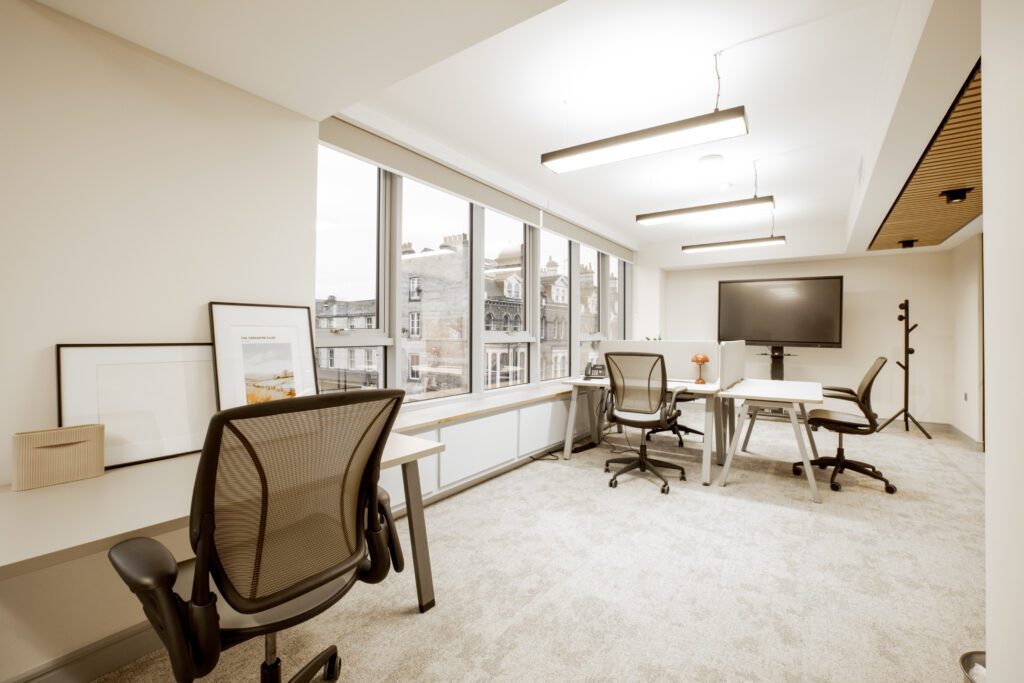
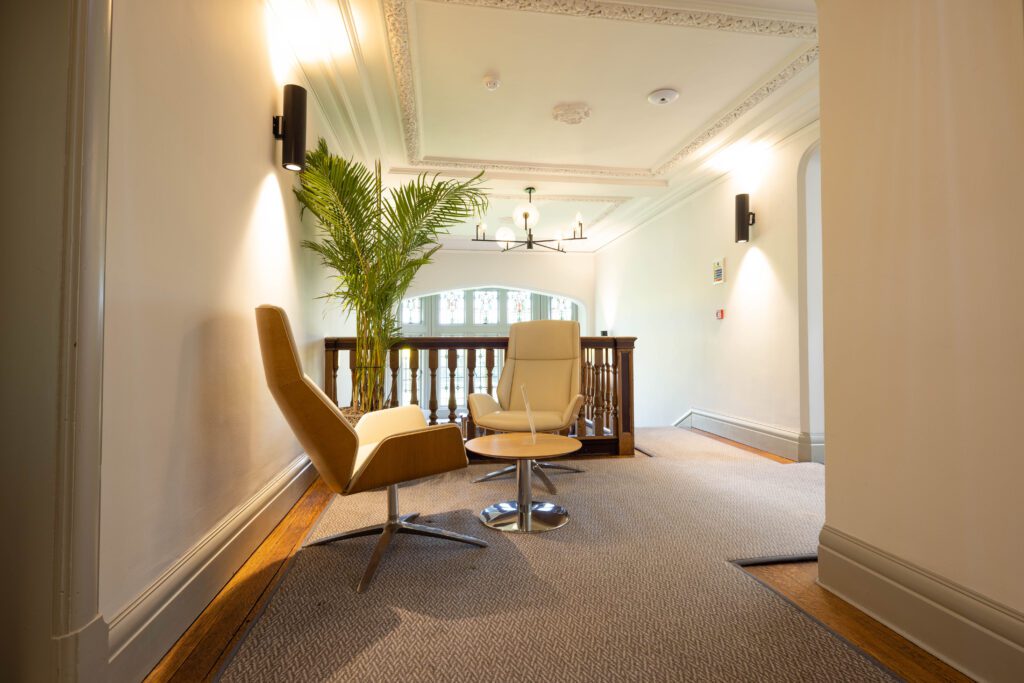
Our serviced offices are immediately fit-for-purpose. Before your move-in date, we’ll coordinate with you to finalise layout preferences, storage requirements, and any branding or signage you’d like to be incorporated into the space.
We take care of the setup in advance so that your transition is ensured to be seamless. Allowing you and your team to stay focused on business operations rather than office logistics.
Step 4: Collecting the keys & settling in – Week 4
The process of looking around and showing interest, to receiving your keys, typically takes around a month, but it can vary depending on the company. In most instances, our members will have an ideal date in mind, which we are able to work with the appropriate amount of notice.
In circumstances where new members may need a space, but their office isn’t fully set up, we may be able to offer a temporary office solution.
Once the keys are ready, you’ll be invited into the office where your front-of-house will hand over the keys and help to familiarise you with your new office environment. This is the time for you to settle in, moving any additional décor or furnishings to complete the set-up of your new office.
Tips for settling into your new space
We always encourage new members to familiarise themselves with the site in the first couple of days. You can do this by:
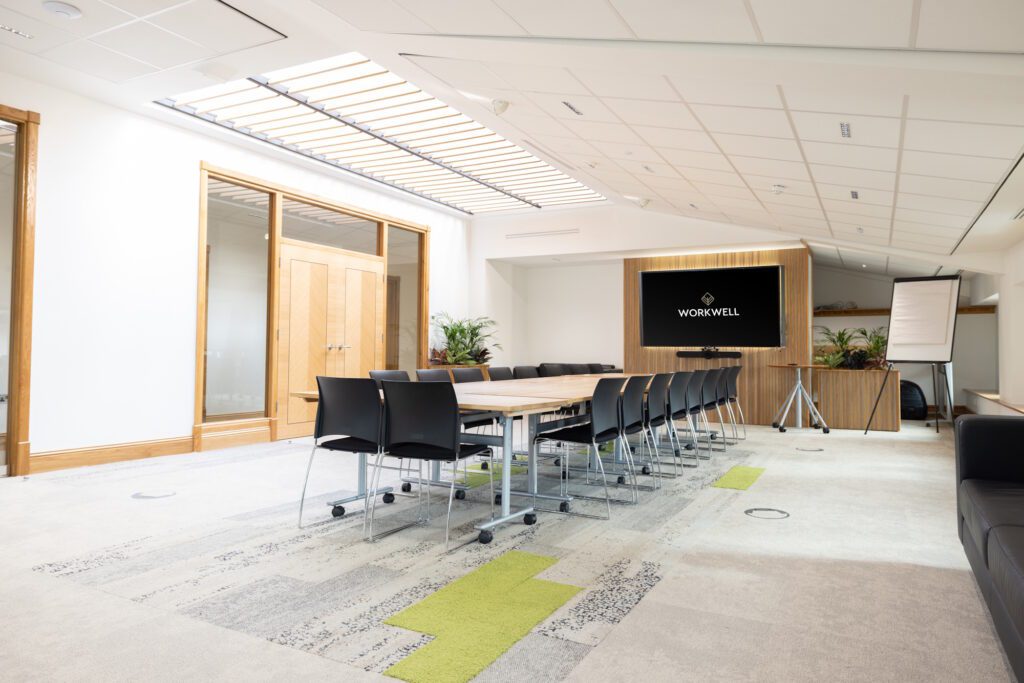
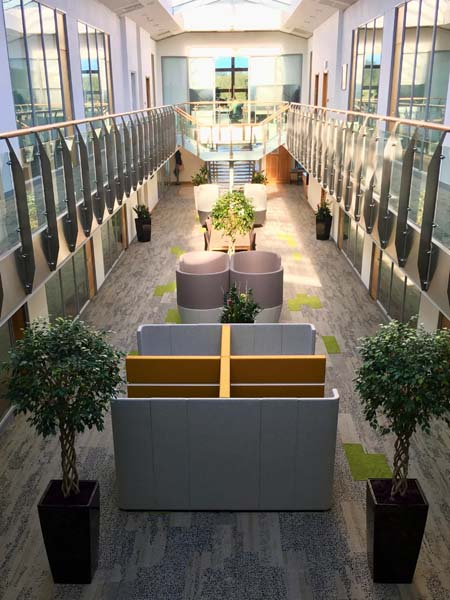
- Taking the opportunity to see the environment and identify spaces which can be used, i.e. Zoom pods, the kitchen, as well as any outdoor space
- Saying hello to the faces you see in these communal areas can help with the settling process
- Joining us in our community events
Why rent office space with WorkWell?
Our priority is providing an exceptional member experience from the get-go. We don’t just provide office space, we curate environments that support productivity, flexibility and employees’ well-being.