
Working patterns are continuing to change significantly, with employees now expecting greater flexibility, alongside organisations navigating evolving ways of working.
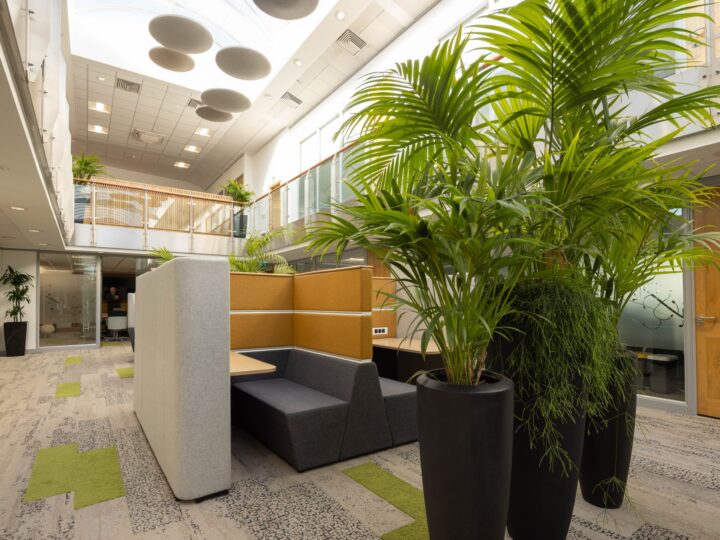
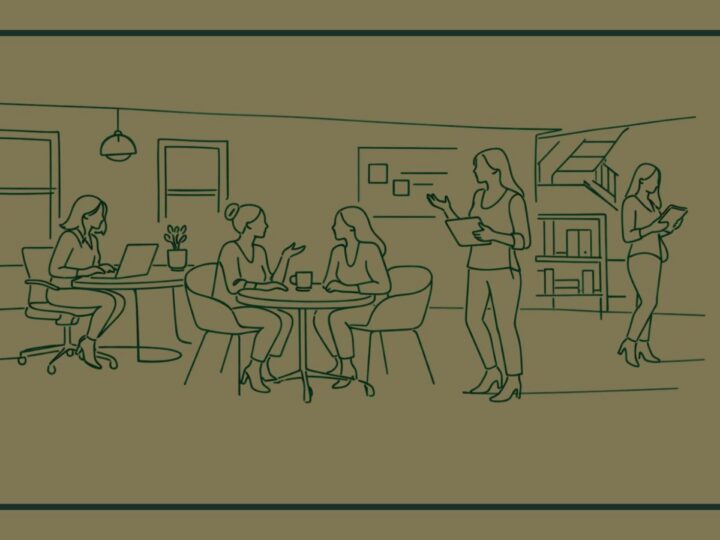
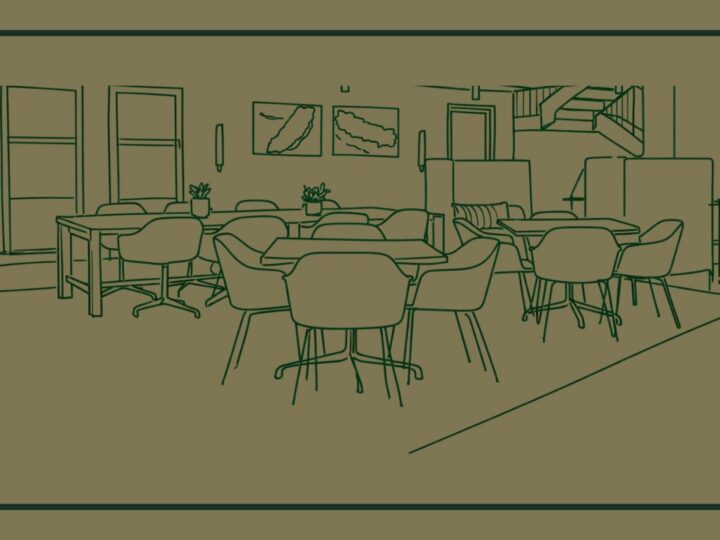
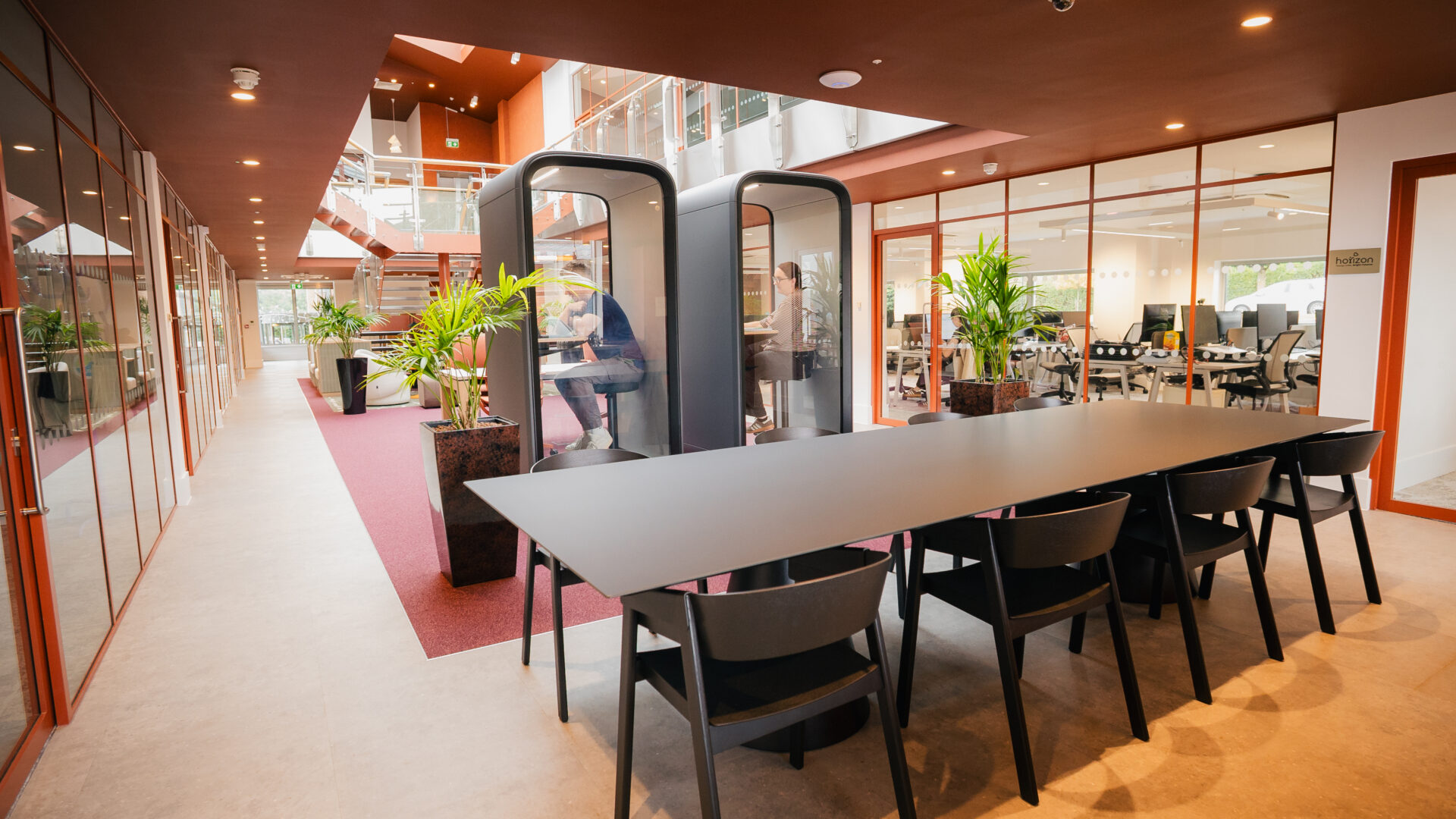
Because of that, we’ve seen how the office has evolved beyond just a desk and a chair, becoming an active environment that uplifts teams and supports businesses through their growth.
That’s why we’ve launched the Anatomy of the Modern Workspace report to examine exactly what businesses will require from the future workspace.
What does the workspace need to deliver for your business?
At WorkWell, we continue to see first-hand how office spaces work hard to support businesses as they grow. We also understand the different needs and demands of various industries, and how this extends to what they want from their working environment.
We see the changing role of the workplace every day. 1 in 3 of our member’s businesses grow their team in their first year, while 34% expand into larger offices as their requirements change. In fact, some teams have even scaled to nine times their original size with us. These statistics have reinforced our view that the workplace shouldn’t be a fixed environment but should instead be designed around the changing needs of a business.
The findings from our report highlight how there isn’t one overall definition of the ‘perfect’ workspace anymore. What works well for one organisation might not work for another, and as your business continues to grow and change, your workspace needs to be able to do the same.
Exploring the modern workplace
Our report explores four key themes, looking at everything from layout and office design to the impact of AI and technology:
- The human workspace: How design can support how people think, feel, move and perform.
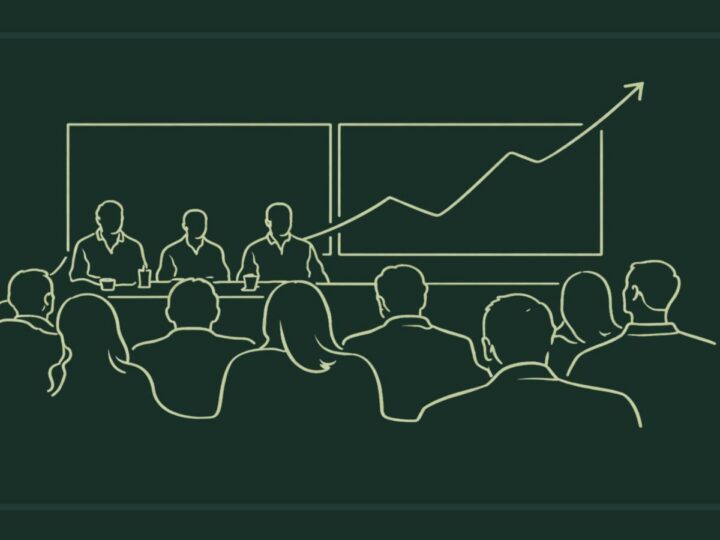
- The social workspace: Why connection, collaboration and community remain central to the role of the office.
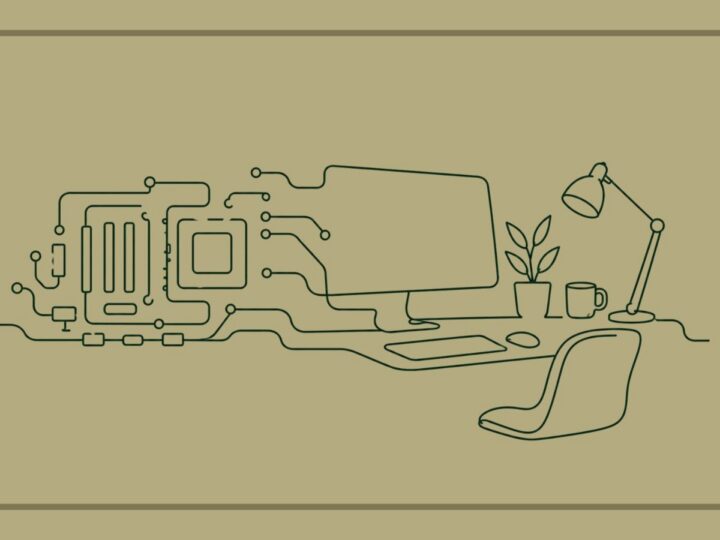
- The smart workspace: How technology, AI and connectivity are changing the way we use physical space.
- The future workspace: The emerging trends that could shape workplaces over the next few years.
The report also brings these insights to life through the experiences of some of WorkWell’s long-standing members, highlighting why they have kept their business at our serviced offices for so long and the tangible benefits they have seen as a result.
In the report, Debbie Whitaker, Managing Director of accountancy firm Not Just Numbers, discusses how the office has become a growth enabler for her business, from creating a positive environment for her team to generating new opportunities through networking and social interaction. What’s more, Debbie has won two clients simply through conversations in the office coffee station!
It’s a simple example of how the role of the office continues to evolve. It can be a place to work, but also a place to connect, build relationships, attract talent and support business growth.
What does the future hold for employers?
Ultimately, The Anatomy of the Modern Workspace explores what employers really need from their office today and how they can create environments that work harder for their people and business.
Read the full report to explore our insights into the modern workspace and what the future of office design could look like for your organisation.
Download The Anatomy of the Modern Workspace report below: