Taking a walk each day could be the most important meeting you schedule

In today’s working world, where we’re constantly being pulled from meeting to screen to inbox, the idea of going for a walk during the workday can feel like a luxury. However, the latest evidence suggests that it may be one of the most beneficial things we can do for our long-term health and daily well-being.

Why Walking During the Workday Matters

A major global study, published this week in The Lancet Public Health and reported by The Guardian, has revealed that walking just 7,000 steps a day is enough to lower the risk of early death significantly.

For years, many of us have had the idea of 10,000 steps fixed in our minds, but researchers now say that the real benefits begin much earlier. Every additional 1,000 steps, up to 9,000, appears to offer increased protection against cardiovascular disease and other chronic conditions.

What makes this research so powerful is that it looks at real-world activity across a diverse population. The data shows that people who walked between 7000 and 9000 steps a day reduced their risk of premature death by more than 50 per cent compared to those who walked fewer than 4000. It doesn’t require a fitness tracker or a full hour of your schedule to reap these benefits. A brisk twenty-minute walk before a meeting, a lap around the grounds after lunch, or swapping one sit-down meeting for a walking one can all add up.

But it isn’t just our physical health that benefits. A growing body of research indicates that regular walking has a positive impact on mental clarity, mood, and decision-making. Movement helps regulate stress, supports better sleep, and improves our ability to focus. When we step outside and give our minds a break from screens and confined spaces, we often return feeling refreshed and more able to think clearly.

The Mental Shift That Comes with Movement

This is something we see echoed every day in our communities at WorkWell. Whether you’re working from the landscaped surroundings of Carrwood Park or enjoying the green space and urban energy around our Harrogate location, there are opportunities on the doorstep to get moving and reset. These aren’t just nice to have. They are part of what makes a workplace genuinely supportive of wellbeing.

In our efforts to build a healthy and effective working culture, we often focus on systems, apps, or new ways of working. But sometimes the simplest acts offer the most return. Walking reconnects us to our own rhythm. It gives us a chance to breathe, to think, and to regain perspective.

There’s a growing recognition among forward-thinking companies that wellbeing is not an extra; it is foundational to performance. Encouraging a short walk during the day is a practical, proven way to support this. It’s not about counting steps for the sake of it, but about recognising how even a few minutes outside can shift the tone of the entire day.

At WorkWell, our workspaces are designed with this in mind. Access to nature, walkable locations, and a sense of space are built into every site. Because when our members feel better, they work better. And when walking becomes a habit, the benefits reach far beyond the office.

Take the First Step — Literally

So, the next time you catch yourself glued to your screen or powering through another stretch without pause, consider stepping away. Not to escape the work, but to return to it clearer, calmer, and a little more resilient. The science says it helps, and so do we.

Short-term professional solutions: Why choose WorkWell

What is short-term letting?

Why would a business potentially need or want professional service providers’ support during a short-term period?

Short-term letting is when a property is rented for a brief period, lasting anywhere between a few days to a couple of months, with the longest short-term let extending to 6 months. Long-term letting is typically qualified by renting for longer than 12 months.

Businesses can find themselves in a limbo, with no professional office, wondering whether to bite the bullet on the overhead costs of a privately let office. That’s where we come in to provide an unrivalled serviced office experience, for a fraction of the cost of a traditional office.

What short-term letting solutions do WorkWell provide?

Day Offices

Day offices are the perfect option for businesses seeking a short-term solution to needing a professional, quiet environment for their team to work from. These spaces are kitted out the same as a traditional office with monitors, desks, and ergonomic chairs.

At WorkWell, we offer day offices for as little as a day to ensure any team needing a professional setting to work from has the space to do so. 

Co-working

Co-working is a type of working style which allows businesses to mix and work alongside other businesses and independent workers. This is done by creating a communal office environment without a seating plan.

At WorkWell, we offer day passes for those seeking out a tidy and inspiring environment to work from. This allows our members to tailor their contracts to their needs. Instead of having to rent a space for a chunk of time, and seeing the budget going to waste when the space isn’t being used.

Meeting rooms

Meeting rooms in serviced office environments are particularly useful when you need a professional environment to host in, for a limited amount of time. We’re able to offer our meeting rooms at an hourly rate, providing a practical and affordable way to access a professional working environment.

Why utilising a professional service provider can benefit you in the short term?

Every business is unique, as are its operational needs. Whether it’s needing a meeting room to accommodate client visits or simply wanting a desk to work from for a day, at WorkWell, we’ve got the facilities to accommodate.

Reduced costs

Renting a traditional office comes with its downsides, from the long set-up process to the hidden fees and major responsibilities. Bookable rooms with day pass and flexible co-working options ensure you only pay for what you are using.

Professional Impressions

Whether you’re meeting with your remote-working team face to face, or taking on an important meeting, WorkWell provides your business with access to an environment that is a polished, fully equipped workspace, perfect for making a professional impression.

Networking opportunities

It’s a rarity to be able to engage with new local businesses outside of your own in a traditional office, but in a service office environment, the opportunity is there.  It fosters a sense of community within members and allows them to make connections they otherwise wouldn’t have.

Continuity through transitional periods

Whether you’re renovating, scaling, or relocating, short-term letting allows your business to keep operating with no downtime, keeping your operations stable and smooth.

Adjust as you need

Whether it’s a desk for a week or a meeting room for a few hours, we make sure you can pick the services that suit your needs. This flexibility allows your business to operate as normal whilst being fuss-free.

Short-term professional intervention can offer stability and structure during times of growth or change. At WorkWell, we don’t just provide a space; we create environments and contracts tailored to ensure individuals and teams thrive. Our solutions are curated to your goals, ensuring your business is able to remain professional and productive each step of your journey.

.

A great workplace can transform health, happiness and productivity

Most people spend about 90,000 hours of their lives at work. That’s nearly 45 years. It makes sense that the workplace can play a big role in our health. When designed badly, an office can add to stress, leading to burnout and making people feel worse, not better. That’s a problem for both employees and employers.

Investing in your employees

The good news is that investing in a high-quality workplace yields significant benefits. When companies prioritise employee well-being, encompassing not only physical health but also mental and social well-being, the benefits are substantial. People feel better, and they take fewer sick days. They’re more engaged and productive, which means companies perform better as well.

Research by the McKinsey Health Institute shows that investing in employee health could create between $3.7 trillion and $11.7 trillion in economic value worldwide. That’s around $1,100 to $3,500 of value per person, or up to 55% of average annual pay. Most of that value, up to 77%, comes from improved productivity and reduced presenteeism. That’s when people are at work but not able to work at their best.

Too often, businesses focus solely on visible costs, such as absenteeism. But those account for just a fraction of the opportunity. The hidden cost of people not working to their full potential is far higher. And that’s where a better workplace can make the biggest difference.

A healthier workforce benefits the business and lifts entire communities. Healthier workers are more likely to be involved in their local area, help others and lead fulfilling lives outside of work. That’s why better workplaces are not only good business, they’re also good for society.

The pitfalls of employee health

Unfortunately, the current state of employee health is not where it should be. A global survey of more than 30,000 employees found that only 57% reported good overall health. Just under half, 49%, were ‘faring well’, meaning they had good holistic health and no symptoms of burnout. One in five reported signs of burnout.

Burnout is not the same as being tired after a long week. It includes exhaustion, feeling mentally distant from work, and a sense of being unable to cope. It affects people across every industry, although some are more severely impacted than others. Employees in accounting, retail, agriculture, shipping and the arts reported the lowest health and highest burnout levels. Even in the best-performing industries, fewer than three in four workers reported being in good health.

The situation is worse for certain groups, with women, LGBTQ+ individuals, younger employees, people with lower income or education levels, and those who are neurodivergent all reporting worse outcomes. These groups made up 80% of the survey respondents.

Designing office spaces for success

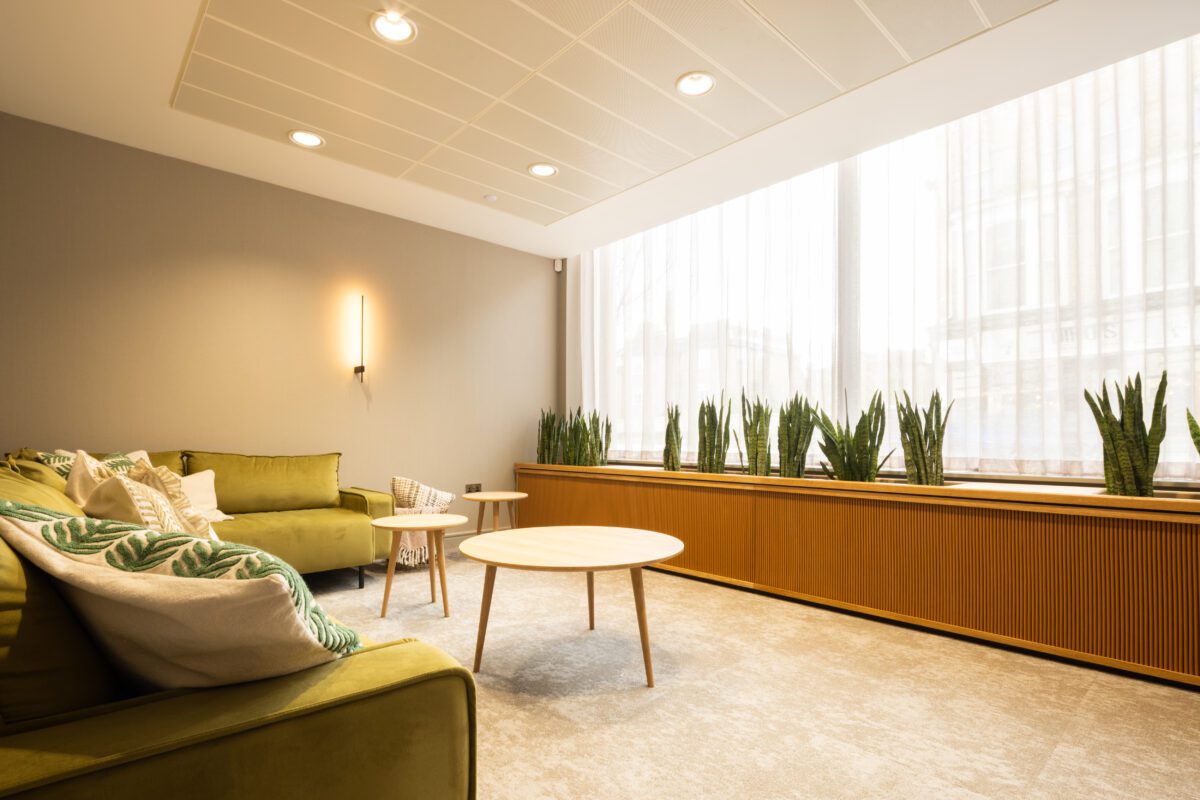
The design of the physical workplace plays a huge role in supporting wellbeing. At WorkWell, we have emphasised the proven value of natural light, indoor plants, quiet zones, and access to fitness facilities. Workspaces filled with sunlight and biophilic elements, such as greenery or nature-inspired textures, have been shown to reduce stress and boost cognitive performance. Employees who sit near windows get better sleep and report higher productivity. Plants not only purify the air but also create a more calming and restorative environment.

Equally important are quiet spaces and on-site fitness facilities. In open-plan offices, having a designated space to retreat to for focus or rest can significantly reduce stress. Physical activity, whether it’s a lunchtime yoga class or a treadmill in the office gym, is directly linked to sharper thinking and an improved mood. When companies design environments that promote movement, reflection, and calm, they’re not just building offices—they’re investing in human potential.

A high-quality workspace isn’t just about better chairs or healthy snacks. It’s about the full work experience. That includes feeling safe, supported and respected. It means having leaders who genuinely care, clear roles and expectations, and a culture that fosters a sense of belonging and purpose.

The most successful employers take a systematic approach. They measure how people are doing. They test solutions and adapt based on data. They train managers to support wellbeing. They look beyond quick fixes and instead build a culture that supports long-term health.

There are plenty of examples to learn from. At the sportswear company On, an employee health programme led to a 30% drop in staff turnover, a 5% boost in productivity, and a $2.9 million a year savings, an 11.6x return on investment. At Ikea Canada, adding ‘Wellness Days’ helped reduce employee turnover from 35% to 24.5%. At Audi, voluntary health checkups led to high employee participation and long-term health benefits.

Final thoughts

Even small changes can have big results. Encouraging movement breaks, promoting mental health awareness or improving access to coaching can all help. What matters most is that health becomes a core part of how the workplace functions, not just an add-on or an afterthought. When work supports wellbeing, everyone wins. Employees are healthier and happier. Companies perform better. And society as a whole benefits.

Work shouldn’t be something people have to recover from. It should be a place where they thrive. Investing in high-quality workspaces is one of the smartest things any business can do.

The difference between front-of-house and call answering services

Utilising a serviced office provider may leave you pondering the difference between a call answering service and front-of-house staff. And, though in some ways there is a crossover with the tasks each role handles, they’re two completely different dedicated services used to make administrative tasks easier.

At WorkWell, we have front-of-house staff who are there to greet, accept parcels and mail. Our front-of-house staff are even able to do internal call transfers, enabling your customers to connect with you. This allows the reception to warmly greet your customer before transferring the call to your business, meaning you don’t have to worry about the formalities of introductions for your business. 

What is a receptionist?

A receptionist is the first point of contact customers have, whether that’s walking into an establishment or placing a call. Most businesses will have front-of-house staff to handle the administrative tasks like emailing, taking calls, booking appointments and so forth.

Having a receptionist offers many benefits. Here are just a few:

Make a professional and positive impression by having a front-of-house (reception) member of staff greet customers. The front-of-house staff will act as the face of the business, helping to establish your brand’s reputation.

A consistent point of contact rather than rotating your team positively impacts the brand reputation. This is because your customers are almost always likely to communicate with the front-of-house staff first, so having the same staff not only demonstrates an ability to retain staff, but it also helps the client build trust.

Hiring a receptionist can improve efficiency and organisation across the board. Rather than depending on a team of staff to clearly and consistently track administrative jobs, having dedicated staff can alleviate inconsistencies and free up time for more urgent tasks. Having a set team for the front-of-house can make tracking of administrative details that bit simpler, i.e. bookings. If one person/ or two people are consistently taking information, it will be easier to track and retrieve, rather than being scattered between a larger team.

What is a call answering service?

A call answering service is a dedicated line to a business, particularly handling customer service queries. Call answering may act like a receptionist in the sense that they’re the voice of the business.

Utilising a call service can be particularly useful when the business doesn’t need or have a physical address. Instead, staff handling call answering would utilise things like headsets to take calls for the business remotely.

This service is particularly beneficial as it helps improve customer relationships by providing a point of contact to discuss concerns. This demonstrates your business is able to accommodate the needs of the customer, providing a face of the brand to relay information to the customer, or vice versa.

Opting for a call answering service over front-of-house staff may also reduce budget, as the staff won’t need to be physically hired and trained, freeing up some of the costs that are typically associated with hiring.

What sets these services apart?

Choosing between hiring a receptionist or someone to handle calls will depend on your business’s overall needs. Factors you’ll need to consider when weighing up your options include:

  • Your budget to hire and train staff
  • The facilities of your work environment, i.e. do you have the space to accommodate, or even a physical location
  • How often does your business have customers contacting
  • Do you need just call handling, or administrative tasks like mail handling, communications via email, and booking systems?

The role front-of-house staff play differs quite a lot from that of a call-answering service. Receptionists are the physical face of the business, they take all the information needed, as well as other tasks which do not require direct customer contact.

Call answering differs because it’s a dedicated role to just communicate with the customers, which means they’re not going to deal with things like taking any packages or physically greeting customers.

Both services offer unique benefits depending on your business’s specific needs. While front-of-house provides a physical presence to greet visitors, handle mail, and manage admin tasks, call answering services focus solely on remote communication with your customers. At WorkWell, we’re proud to offer a flexible combination of both—complete with internal call transfers, professional voicemail services, and a welcoming front-of-house team. If you’re looking for a professional serviced office that supports your operations and elevates customer experience, get in touch with us today to see how we can help your business thrive.

Where to go for lunch in Harrogate.

Harrogate doesn’t shout about its food scene enough, but it really ought to. Our elegant North Yorkshire town has quietly built a reputation for serving up some of the best lunches in the region. Whether you’re in the mood for a plate of something comforting and familiar or looking to explore flavours from further afield, there’s a spot here that fits the bill. These aren’t just restaurants, they’re places with personality, doing what they do well. Here are a few of the best for our Copthall Bridge members to explore…

FIFTY-TWO at Rudding Park

Set on the edge of town at Rudding Park, FIFTY-TWO is not your average countryside restaurant. Housed in converted shipping containers with views of the kitchen garden, it’s part of a wider push by the hotel to take food seriously. The menu leans into seasonality with quiet confidence, and there’s even a feature called ‘Dessert Islands Discs’, which lets you pick the soundtrack to your pudding. It sounds gimmicky, but it works. The food does all the real talking.

Three’s A Crowd

This smart gastropub overlooks the Stray and doesn’t mess about when it comes to flavour. British dishes are treated with just enough modern flair to make them interesting without being fussy. The menu changes often to reflect what’s in season, and the wine list includes a few unexpected gems. It’s hugely popular at lunch, especially at weekends, so booking ahead is advisable.

Paradise Café

Tucked behind a garden centre, Paradise Café has a big terrace with views over a small lake, and the space has a laid-back charm that suits its no-nonsense menu. Expect generous salads, sandwiches that don’t skimp on filling, and occasional specials that make good use of what’s fresh. It’s a solid choice for a casual, unhurried lunch.

The West Park Hotel

A former coach house turned boutique hotel, The West Park sits comfortably between brasserie and pub, depending on what you’re after. The lunch menu includes both lighter bites and more substantial dishes, all built around ingredients sourced as close to home as possible. It’s smart without being stiff, and you’ll find both regulars and out-of-towners settling in for a relaxed meal.

The Harrogate Inn

Right in the centre of town, The Harrogate Inn has had something of a glow-up in recent years. It’s still a pub at heart, but the food has stepped up a gear. Expect well-executed classics, think fish and chips, pies, and Sunday roasts, with no corners cut. The kitchen knows its audience, and there’s a real effort to make things from scratch. It’s a safe bet, in the best possible way.

Stuzzi

You’ll find Stuzzi on King’s Road, and if you’re in the mood for Italian, it’s where you should go. The cooking here has real swagger: dishes are bold, flavours are full-on, and there’s no mistaking the kitchen’s confidence. The Porchetta panini is as rich and indulgent as it sounds, and the arancini are small golden miracles. The sage tagliatelle with slow-cooked mutton ragu is worth crossing town for.

La Feria

La Feria, on Cold Bath Road, offers something different. It’s not trying to replicate a generic tapas bar, it’s aiming squarely at the food you’d actually find in a decent Andalusian joint. There’s rotisserie chicken seasoned just right, prawns swimming in garlic and chilli oil, and croquettes that crackle lightly before giving way to soft, savoury filling. The atmosphere is buzzy, the tables are close, and it all adds up to something very enjoyable.

Harrogate’s reputation for tea and scones is long established, but these places show it’s also somewhere you can eat properly and well in the middle of the day.

If we’ve missed your go-to, you know what to do; let us know. Good lunch spots deserve to be shared.

Attracting and retaining top talent.

In today’s competitive job market, attracting and retaining the very best people is more challenging than ever. Candidates are not just looking for a competitive salary or flexible working hours; they are also paying close attention to the quality of the working environment.

At WorkWell, we understand that the physical workspace is a vital part of any organisation’s success. More than just bricks and mortar, your office is a living reflection of your brand, culture, and values. Creating a high-quality office environment is no longer a luxury, but a critical investment in your people and your future.

Recent research highlights a significant shift in what employees value most. According to the WorkBuzz State of Employee Engagement Report 2022, an impressive 45% of UK employees and business leaders ranked ‘a great culture’ as the most important factor when considering a new role. This finding places culture ahead of salary and flexible working location, demonstrating how much the workplace experience matters.

The right office environment can significantly strengthen a company’s culture. When employees walk into a thoughtfully designed, vibrant space, they feel a sense of belonging and purpose. These elements create an emotional connection that no remote or purely digital interaction can replicate. Companies that invest in their spaces are sending a strong message: we care about your well-being, productivity, and happiness at work.

First Impression in Recruitment

First impressions matter, especially in the world of recruitment. The moment a potential new hire steps into your office, they are forming opinions about who you are as an employer. A bright, welcoming, and well-designed workspace not only leaves a lasting impression but can often tip the balance for top candidates weighing multiple job offers.

Investing in interior design, ergonomic furniture, natural light, and thoughtful noise reduction strategies can transform your office into a powerful recruitment tool. It signals to candidates that the organisation values employee comfort, collaboration, and creativity. It shows that you are forward-thinking, attentive to detail, and committed to creating an environment where people can do their best work.

Reducing staff turnover

The quality of the working environment not only influences recruitment but also plays a critical role in retention. Studies show that employees who are happy with their surroundings are more satisfied, more productive, and more likely to stay with their employer for the long term.

On the other hand, poor facilities, lack of natural light, and uninspiring spaces contribute to lower morale and higher turnover rates. When the day-to-day working environment fails to meet basic expectations, even the most loyal employees can start to disengage. Investing in your workplace design can significantly reduce costly turnover, while boosting engagement and fostering a strong sense of loyalty among your teams.

The office has a competitive advantage.

While remote and hybrid working models are now well established, the physical office continues to play an essential role in organisational culture and employee engagement. In fact, businesses that provide a physical workspace are often at an advantage when it comes to attracting and retaining talent.

Younger workers, in particular, are looking for more than just a place to sit at a desk. They want spaces that reflect their values and support their aspirations. Offices that encourage collaboration, creativity, and connection help to build a cohesive and resilient workforce. By treating the office as a product in itself, one that is designed to meet the evolving needs of your teams, you create a lasting competitive edge.

Success through better workspaces

The evidence could not be clearer. A high-quality office environment is not simply a nice-to-have. It is a strategic asset that can transform your ability to attract, engage, and retain top talent.

At Workwell, we believe that your workspace should be a true extension of your brand, culture, and ambition. We work closely with organisations to create environments that are inspiring, comfortable, and purpose-built to support success. From design to delivery, every element matters – because every employee matters.

If you are looking to strengthen your recruitment efforts, reduce turnover, and build a thriving company culture, investing in your workspace is one of the smartest decisions you can make. Together, we can create a place where people love to work, where talent stays, and where your business can achieve its greatest potential.

Innovative furnishings: enhancing your business environment and output

When creating or picking out your office environment, it’s clear that a one-size-fits-all approach rarely works. Actually, having various thoughtful amenities for yourself and staff to utilise can enhance productivity, increase motivation and create a working environment conducive to success.

Consider, for instance, the impact of ergonomic and purpose-driven furniture. Whether it’s a supportive chair, an adjustable standing desk, or specialised sound-proofed pods, perfect for privacy and productivity. Integrating the right furnishings can transform the space into an inspiring and desirable work environment.

Furniture for employee-centric work environments

Zoom Pods (Solo Pods)  

Zoom or solo pods are sound-insulated booths which provide an enclosed space with a seat and desk. Solo pods provide a quiet space for staff to work independently or to utilise for privacy on professional calls. This style of furnishing is fantastic for open-plan offices, providing a modern solution to distractions in the workplace.

Desk Exercise Apparatus

To combat the effects of a sedentary workday, consider under-desk or desktop fitness equipment. The additions to stay active whilst working, ensuring both a healthy body and mental alertness for employees.

Ergonomic Furniture

Ergonomic furnishings are designed to fit the natural configuration of the body; they are designed to play on these comfortable positionings in order to prevent strains. A great example of ergonomic furniture includes standing desks, which allow a person to oscillate between being seated and standing, encouraging circulation and energy levels.

Quiet environments & collaborative zones

Beyond the solo pods, you can work to create quieter environments with breakout rooms and soundproofed seated booths. These dedicated zones introduce variety into the workday, which allows a team to convene in a private and calm space which can spark creativity and encourage collaboration.

Considerations to make

When considering the best way to set up or select an office, consider different aspects of the working environment. Spotting an inefficient office environment pre-emptively allows you to tailor and adjust the space to suit the varying needs of your business.

  • Comfort
  • Organisation
  • Acoustics
  • Aesthetic
  • Lighting
  • Space
  • Flexibility

Striking a balance between these different aspects of the environment allows you to craft an environment that works for you. By proactively addressing inefficiencies and aligning your environment with your goals, you produce a space that drives promising outcomes.

An office that has been properly conceptualised and designed fosters inspiration, motivation and most importantly, a sense of belonging. When staff feel valued and comfortable in their work environment, it reflects in the quality of their work and overall engagement.

Nature in design: influencing and enhancing office life

Should I use plants in my office?

Introducing plants into your office design is a fantastic way to enhance the space. Not only do they offer a range of benefits, but they also bring a natural beauty that can elevate even the dullest work environment. We utilise plants in our communal spaces to offer additional energy and colour to the space. Here are just a few proven advantages that plants can offer:

Certain plants can improve the air quality within the space –

Plants, like trees, have the capability of removing carbon dioxide from the atmosphere. Certain plants are known to be great at stripping the air of toxins; these include:

  • Peace Lily’s
  • Aloe Vera plants
  • Spider plants
  • Rubber plants

Plants can elevate the appearance of a space –

Life and vibrancy can be brought into otherwise sterile office spaces through the use of plants. Their rich greens and occasional floral bursts add a pop of colour, making them excellent decorative elements for grey or white work environments. As an added bonus, some plants can introduce fresh, natural scents—just be mindful of any allergy sensitivities among your team.

Improving staff mental health with green hues –

Improving mental health via plants has been a topic of contention for a while, with many studies being conducted around the concept. It has since been proven that exposure to green environments can help reduce stress and improve the mood of individuals.

Plants help us feel connected to nature and can, therefore, transport us mentally outside of the office environment into a space that is beneficial to our mental health. Taking care of live plants allows us to offload some of the stressors whilst boosting our physical

Increasing productivity and creativity that is felt within the space –

The mental health benefits of plants extend naturally into enhanced productivity and creativity. When we feel better, we think better. A well-placed plant can help create a more inspiring and motivating workspace that encourages fresh thinking and higher engagement.

The best placements for your office plants

This is a given, but make sure your live plants have access to plenty of sunlight; positioning them by a window will ensure they’re able to grow and that they thrive. Consider placing plants on desks that have plenty of light reaching them, this ensures they won’t die and counteract all the benefits provided.

Faux plants offer a slight bit more flexibility, with the ability to be placed in the darkest corner of the room without dying. Just remember, these false plants will need to be dusted and will not need to be watered.

Greenery – whether it’s real or artificial – can be simple yet effective at introducing warmth and life into your workspace. For those who’d like to include living plants but worry about upkeep, we also offer a maintenance option to keep them and your space thriving.

A holistic approach to wellbeing will boost workplace productivity.

The link between employee wellbeing and workplace productivity is becoming clearer, backed by a growing and robust body of research.

Holistic View

Employers are moving beyond surface-level perks and beginning to take a more holistic view of staff wellbeing. It means acknowledging the full range of factors that contribute to how people feel at work, including occupational, emotional, social, intellectual, and environmental factors. As the evidence builds, the case for embedding wellbeing into business strategy is no longer simply a moral one. It is now a clear business priority.

Impact On Productivity

One of the strongest pieces of evidence comes from a six-month study at British Telecom (BT), which tracked nearly 1,800 call centre workers. The research found that a one-point increase in self-reported happiness on a ten-point scale led to a 12% rise in productivity. For more complex tasks, productivity gains reached 20%. This real-world data underlines how an employee feels significantly affect how well they perform.

These findings are supported by a broader meta-analysis of 339 independent studies, which cover over 1.8 million employees. It showed a consistent positive correlation between employee satisfaction and both productivity and customer loyalty. Higher levels of wellbeing were also linked to lower staff turnover, indicating that businesses supporting employee wellbeing tend to perform better overall.

UK-based surveys add weight to this. Around 80% of employees say they are more productive when they feel healthy and happy. Those who describe themselves as happy at work are nearly three times more likely to rate their performance as ‘very productive’ than those who are not. While self-reported, these insights align with objective productivity measures and point to the central role of emotional wellbeing in daily work.

Boosting Engagement

According to the World Health Organisation, companies that invest in effective health and wellbeing programmes can achieve productivity gains of up to 20%. These initiatives often include mental health support, flexible work arrangements, and opportunities for social connection – all of which contribute to a healthier and more engaged workforce.

The relationship between wellbeing and productivity is complex, but several mechanisms are well understood. Good physical and emotional health reduces both absenteeism and presenteeism, where employees come to work despite being unwell, often leading to underperformance. Mental health, in particular, has a substantial impact. Many employees who struggle with mental health issues do not disclose their condition, yet the effect on focus and output can be significant.

When staff feel psychologically supported, engagement and motivation tend to rise. This, in turn, drives efficiency, creativity and, ultimately, stronger organisational performance. Higher engagement also improves customer service and satisfaction, reinforcing the idea that wellbeing benefits both people and the business.

Workplace Design

Workplace design also plays a key role. Research from the University of Leeds shows that employee wellbeing has climbed the agenda in many organisations, rising from fifth to third among strategic priorities. Office design can influence wellbeing, and by extension, productivity, through elements such as natural lighting, ergonomic furniture and open layouts. A well-considered environment can reduce stress and support concentration.

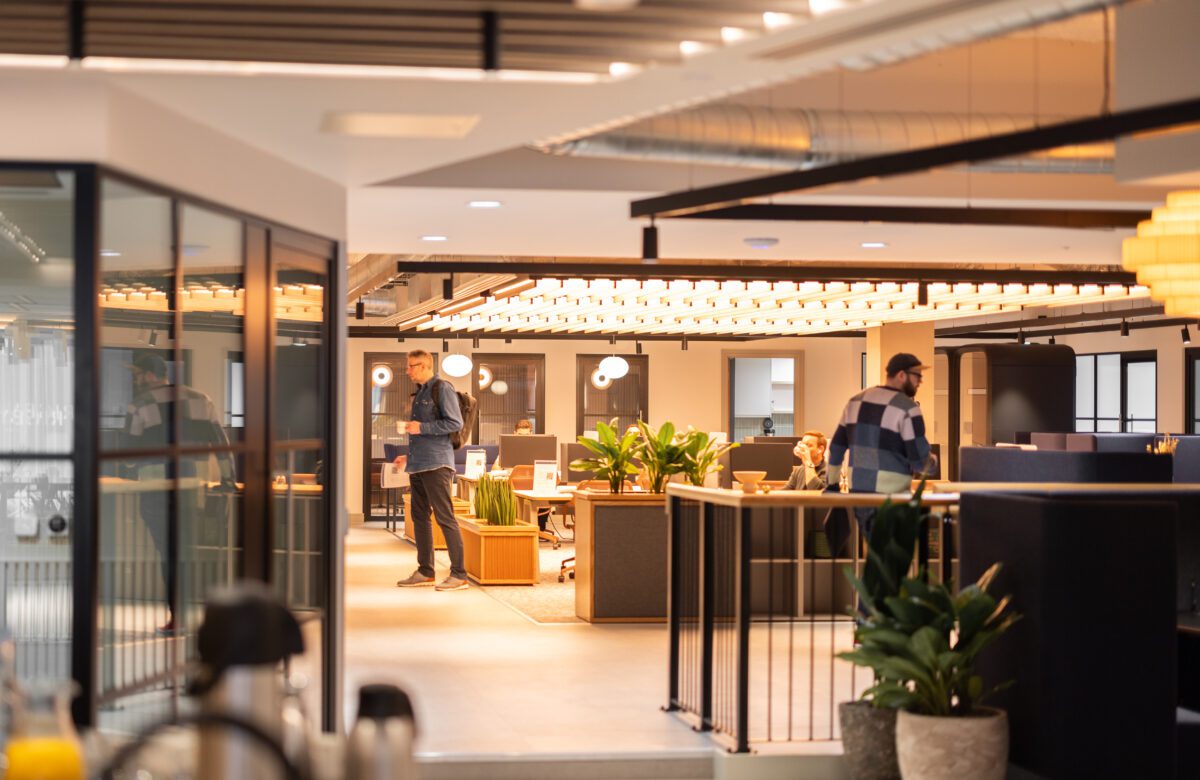
Collaborative spaces are especially valuable, as they enable social interaction and informal exchange. These can range from lounge areas to quiet rooms or shared breakout spaces, all of which contribute to a more human and connected workplace. By incorporating these features, organisations can create spaces that support productivity and help attract and retain talent.

Flexible Space

The Leeds research also notes that there is no one-size-fits-all solution. Companies must assess their unique needs. WorkWell, for instance, helps businesses understand how to match their workspace with employee preferences and operational demands. Flexibility is key, allowing organisations to adapt as those needs evolve.

An adaptable office design supports this shift, enabling companies to remain responsive and forward-looking. Regularly reviewing and adjusting workspaces helps ensure they continue to meet both business and employee needs.

Ultimately, a sustained focus on wellbeing can foster a more resilient and sustainable workplace culture. Lower turnover, stronger commitment and increased loyalty all stem from treating people well. As more organisations embrace wellbeing in its fullest sense, they are finding that supporting people and driving performance go hand in hand.

Supporting staff with their work-life balance

In today’s evolving and hybrid workplace, supporting employees in achieving a healthy work-life balance cannot be overstated. As employers face growing demands for greater flexibility and well-being support, the challenge lies in designing environments that are not only productive but also sustainable for their people.

Flexible Working

Addressing this issue is not simply a moral imperative but a strategic one. According to a study by the CIPD, 71% of employees now consider flexible working essential when considering a new role. As a result, forward-thinking organisations are taking a fresh look at how work is done to meet these expectations while still delivering on business goals.

Flexible working arrangements are increasingly central to this approach. Offering employees the choice to work remotely, adopt flexible start and finish times, or explore compressed working weeks helps them better manage their responsibilities outside of work.

Research from the University of Warwick has shown that happy employees are up to 12% more productive, and flexibility plays a significant role in that happiness. Furthermore, companies that embrace flexible practices often see improvements in recruitment, retention, absenteeism, and financial performance.

Wellness

Alongside flexibility, the role of wellness programmes has grown significantly. Mental health support, access to counselling, and activities such as yoga or mindfulness sessions are now becoming workplace staples. These initiatives are not only beneficial for employees’ well-being but also for employers.

A 2022 Deloitte report found that poor mental health among employees costs UK employers up to £56 billion annually. Wellness programmes that tackle stress and promote better health can mitigate these losses, reducing burnout and fostering a more engaged workforce.

Technology

Technology is another essential tool in supporting balance. Time management applications, AI-powered automation and collaboration tools help employees streamline repetitive tasks, freeing up time for more meaningful work. Remote working technologies have also made it easier for staff to work flexibly, with a study by Owl Labs showing that 62% of employees felt more productive when working remotely.

The digital workplace must be carefully managed. Employers should communicate expectations around digital boundaries to ensure staff can genuinely switch off outside of working hours. Normalising ‘clocking off’ is vital to preventing digital burnout and protecting mental health.

Workplace Culture

Creating a supportive workplace culture remains one of the most enduring and effective strategies. Encouraging open dialogue, providing access to resources like employee assistance programmes, and showing genuine consideration for individual circumstances helps foster a sense of psychological safety and inclusion.

WorkWell Offices provides an example of how these principles can be embedded into the very infrastructure of a workplace. By designing flexible office spaces that prioritise wellness and collaboration, WorkWell also promotes an environment where employees can be both productive and comfortable. Their spaces include wellness rooms, breakout zones, ergonomic workstations, and onsite classes to improve mental and physical health. The holistic approach to workplace design reflects a broader commitment to supporting the well-being of the people who use their spaces, recognising that wellness is not a perk, but a necessity.

Finally, the importance of continuous review cannot be overlooked. Policies should be regularly assessed and adapted to employee feedback and changing societal norms. Recognition also plays a crucial role in reinforcing positive behaviours. Acknowledging teams or individuals who model good work-life balance sets a tone from the top that well-being matters.

Supporting employees to achieve a better balance is no longer a niche concern but a core business function. When organisations invest thoughtfully in flexible policies, workplace wellness, and inclusive cultures, they are investing in the resilience and future success of their workforce.