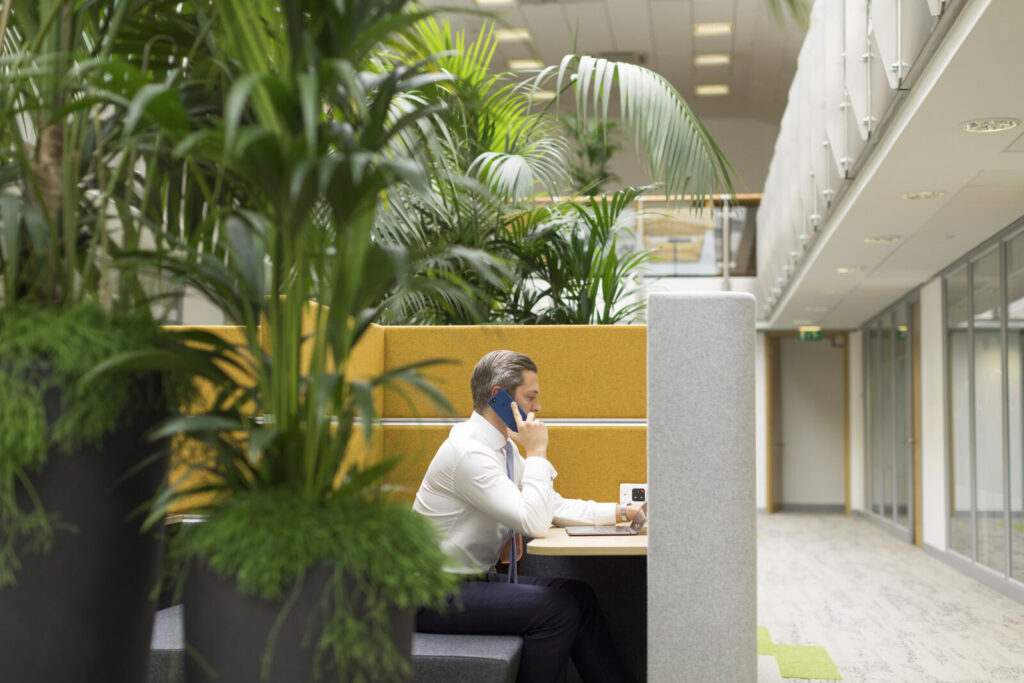
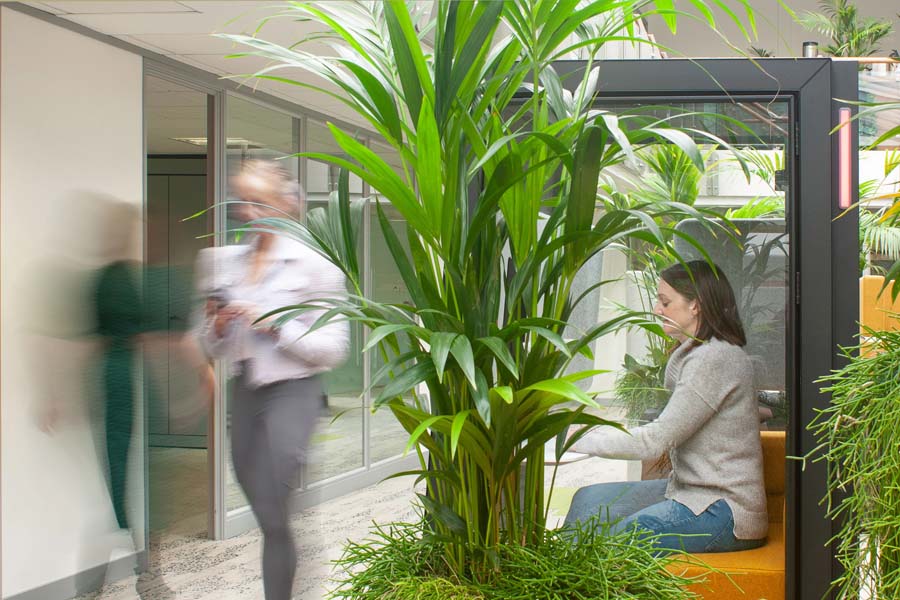
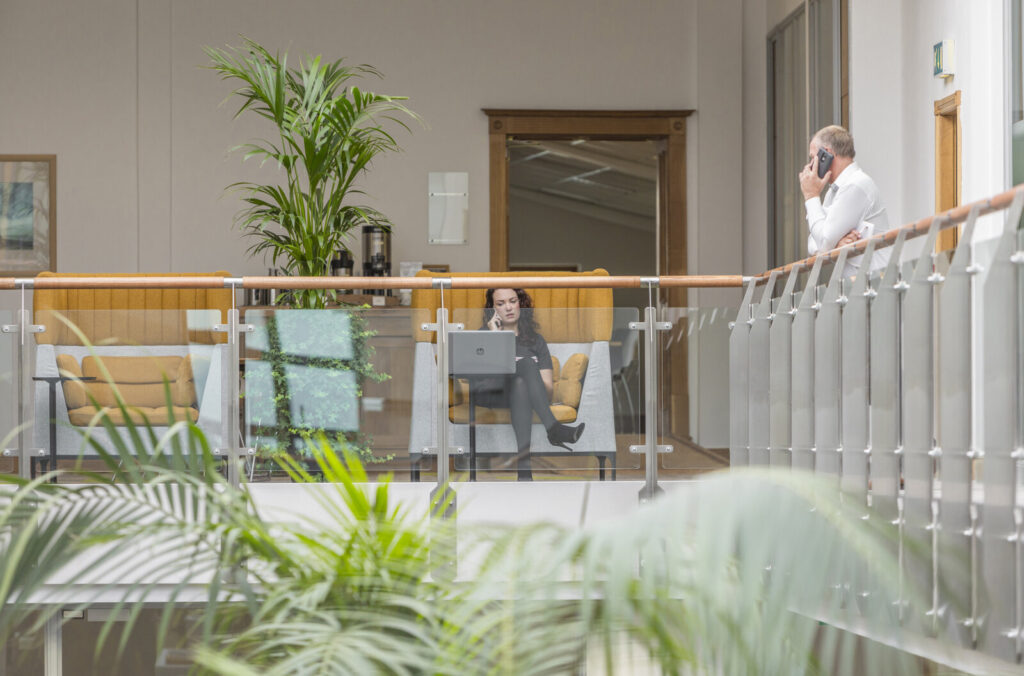
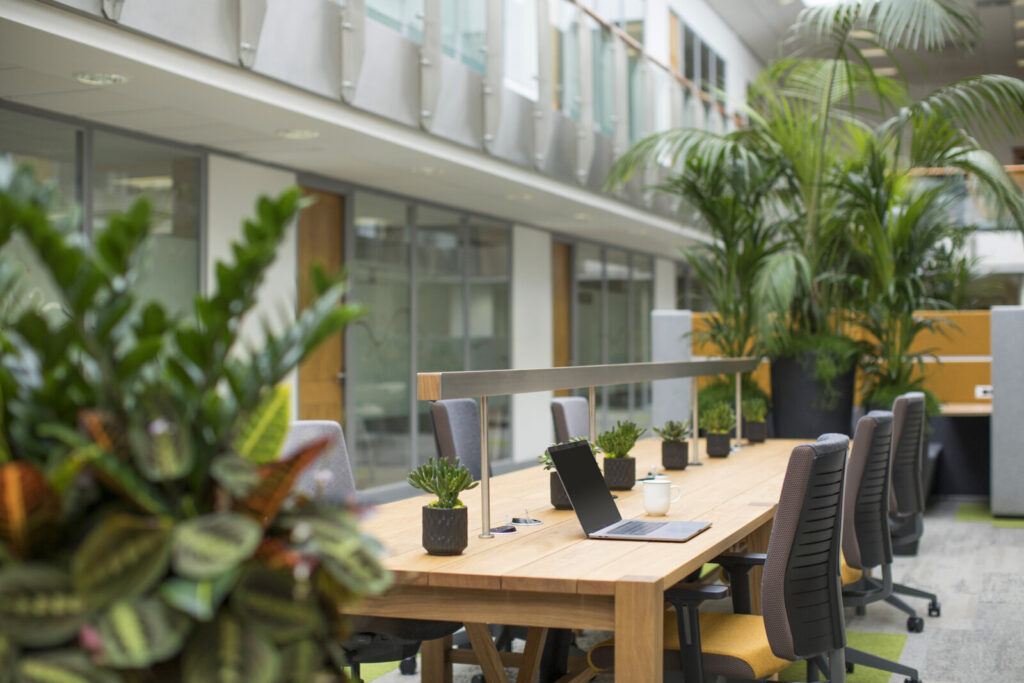
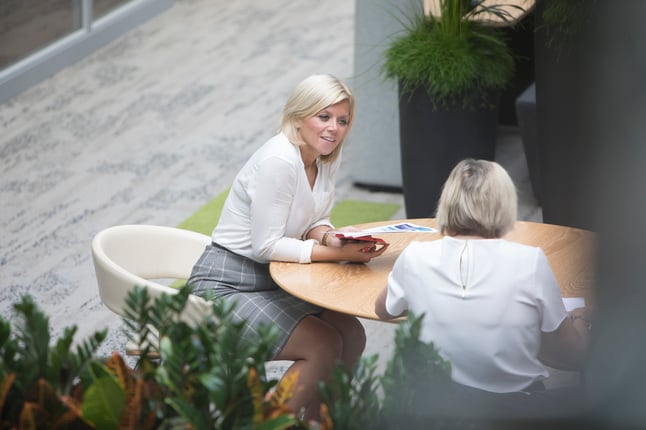
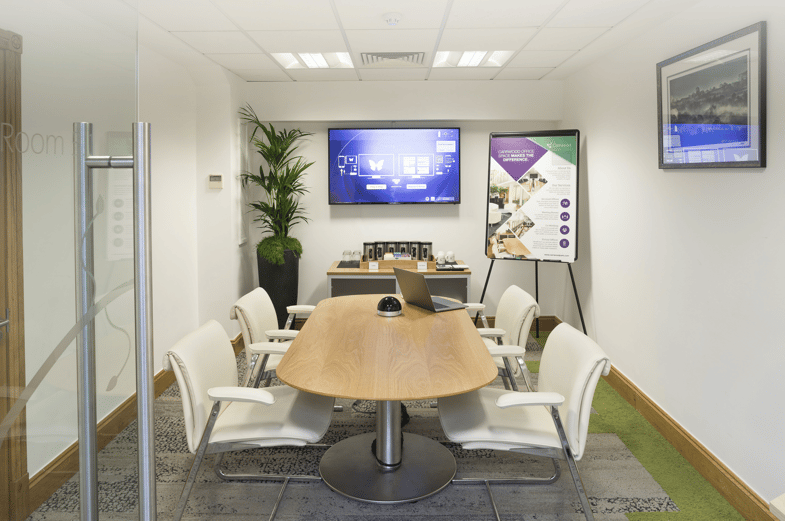
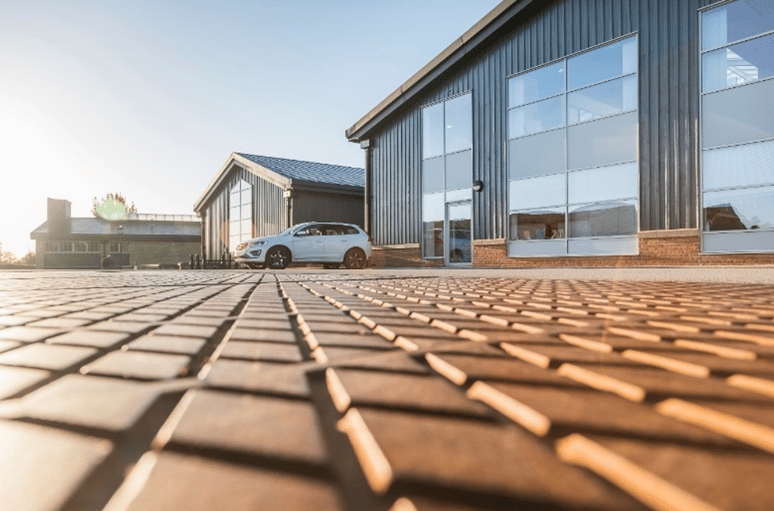
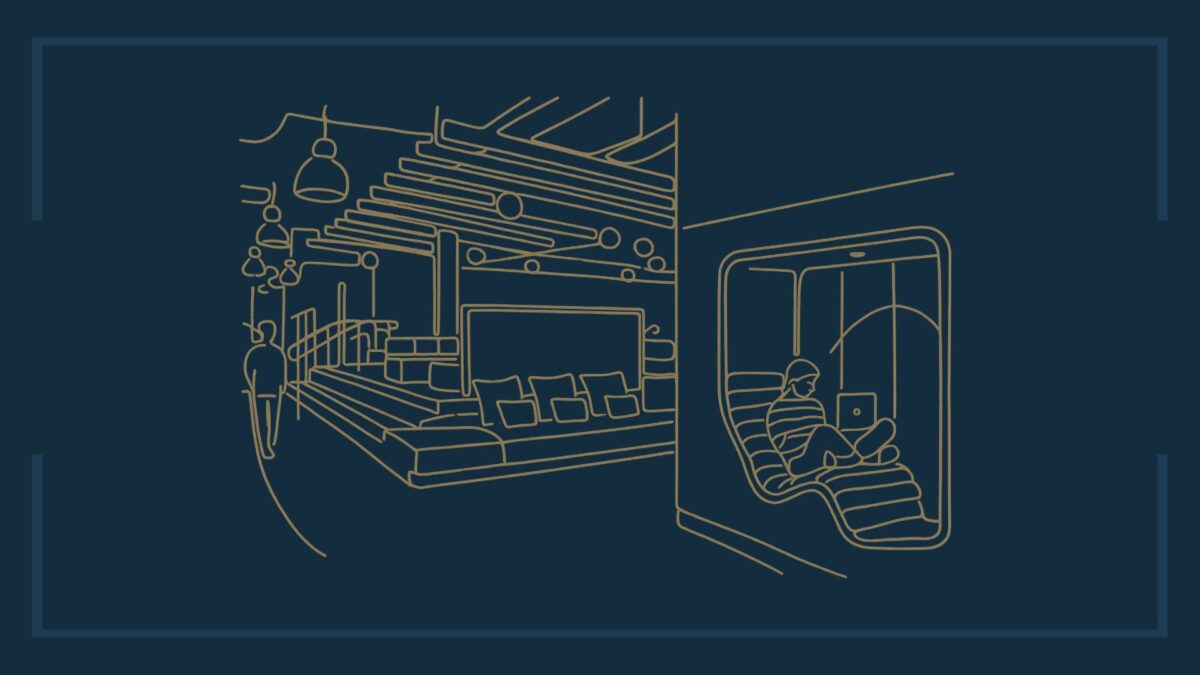
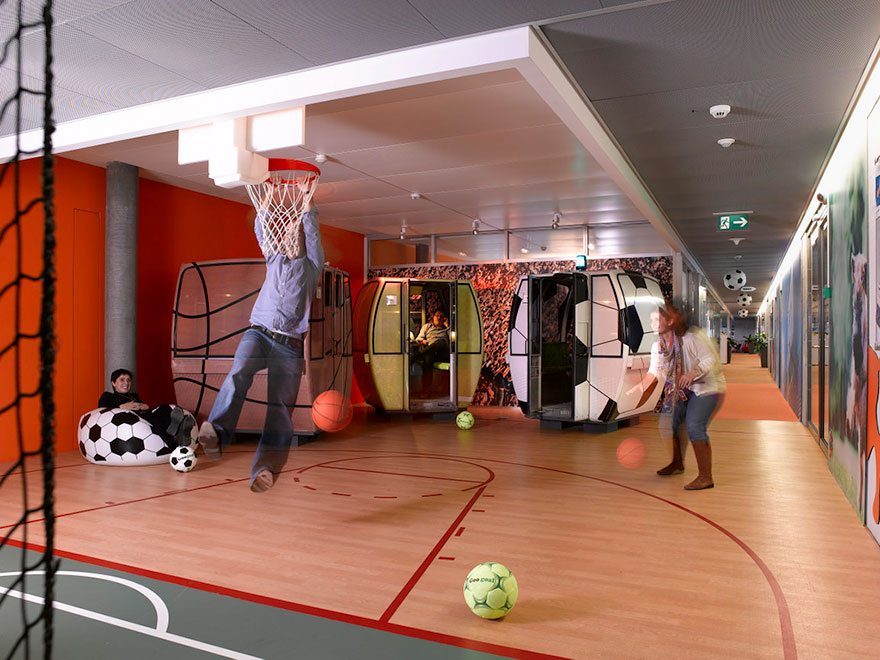
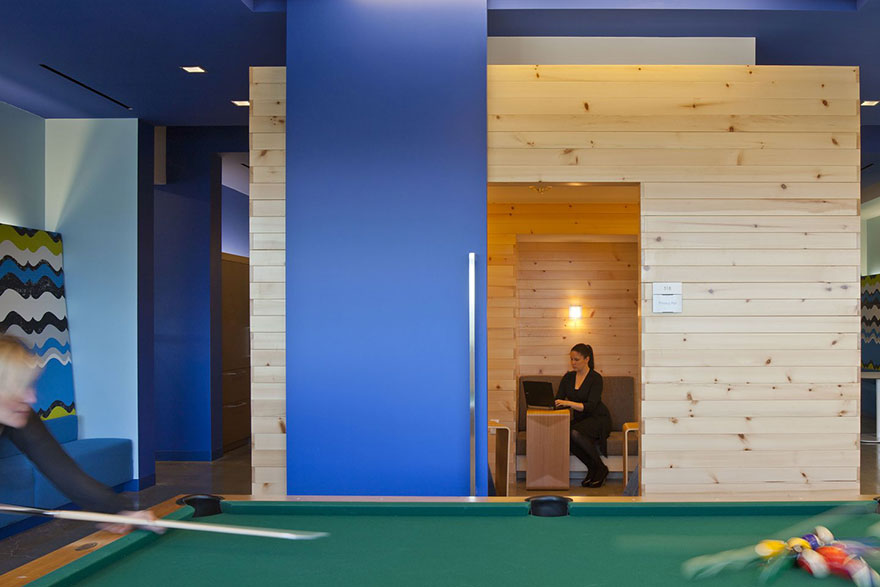
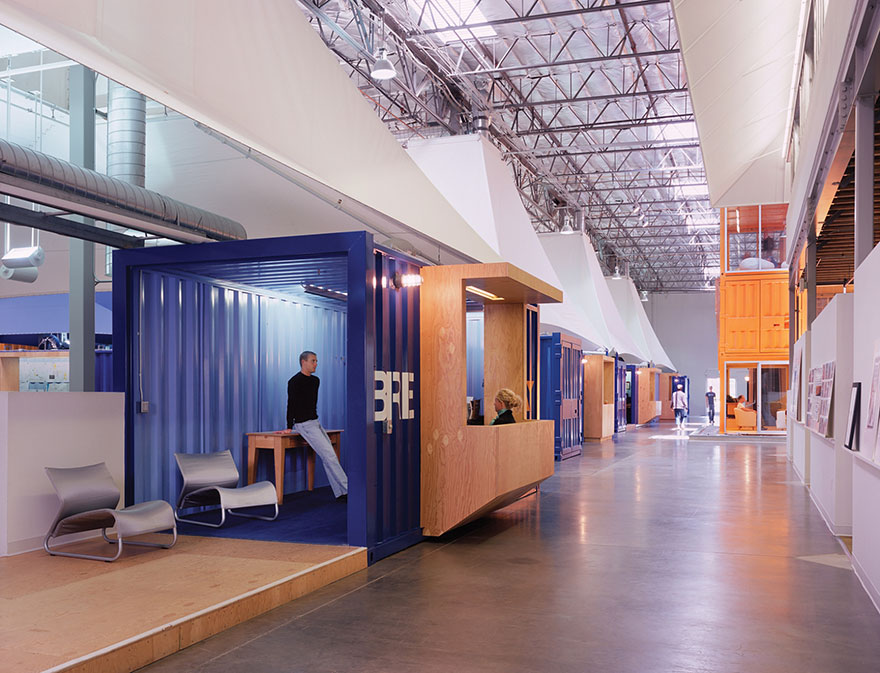
The new space is designed for and focused on employee productivity and well-being; offering different work stations and open space alongside natural light and materials straight from nature. Our hope is that the space promotes success and growth for any business that makes use of it. Unlike many Serviced Office chains we are a family-run business that offers true value as well as a great environment to any company choosing to house their company here; the space you see below is free of charge to use for any of our residents and their visitors.
The benefits of ergonomic office furniture have long been realised and documented. ‘Sitting comfortably’ can improve productiveness by as much as 11%. By contrast, an uncomfortable office can be damaging to our health and wellbeing. Though ergonomic workspace is becoming increasingly innovative.
From standing up to work, to have a ‘third place’ to relax, take a look at the following ergonomic office innovations we can’t afford to ignore.
Do you know where your business will be in three or five years? While we all dream of running a prospering business, which expands year-in-year-out, nobody has a crystal ball, and as the UK’s economy remains shaky and unpredictable, for many businesses, growth remains precarious and undetermined.
Given this volatile business environment, moving into flexible office space opposed to committing to a lengthy three or five-year contract, can be a wise business move.
Flexible office space is in high demand.
The demand for flexible office space is on the rise. According to Instant’s 2017 Flexible Workspace Report, the total provision for all flexible office space increased globally by around 18% in 2016. Coworking and hybrid spaces have almost doubled since 2013, which now accounts for approximately a third of flexible workspaces globally. The report also found that larger corporate and enterprise organisations are joining in the uptake of flexible office space.
A separate report reiterates the growing demand for flexible workspace, highlighting how between 2011 and 2013, Britain’s serviced office market increased by 13.3%.
Caters for growth fluctuations
One of the principal benefits and attractions of flexible office space, in which businesses can walk in and out of without any contract or commitment, is that it complements the fluctuations that inevitably occur within business growth.
For example, no matter how solid a business plan may appear that maps out consistent annual growth, no business can ‘growth-proof’ their venture, particularly from external elements, namely the economy and political ‘surprises’ such as Brexit.
A business may be confident it will grow in forthcoming months and years, having to expand its team from, for example, a five to a ten-person outfit, thus needing a larger office. However, as unpredictable and often external factors bite, such growth may never materialise and, instead of growth, a business may experience regression, being forced to make redundancies and reduce its team.
No longer, legally binding contracts
This is why opting for flexible office space that doesn’t tie companies into long, costly contracts that they can’t get out of is favourable. Unlike the costs associated with leasing office space, such as refurbishing the workspace and equipping it with office furniture and an IT infrastructure, serviced offices are ready to move into and require no other costs or investments.
With meeting rooms, executive suites, modern and fully-equipped open-plan office space, breakout rooms and the choice of working in more private areas at their disposal, businesses can upsize or downsize at their leisure in flexible office space.
As we noted in a previous blog about the benefits of serviced offices, opting for more flexible workspace with short-term rental agreements gives businesses of all sizes flexibility without committing to a legally binding and lengthy office lease.
Boosting business credibility
Serviced offices also often come with a high-profile business address, which can give a business’s credibility and professionalism a huge boost. From handing out business cards with the esteemed address boldly printed on the front to inviting potential clients to a meeting in a sought-after location, flexible serviced office space can play a vital role in contributing to business growth and success.
If part of your business plan in 2018 is to grow and expand your team, locating in a quality, credible and flexible serviced office space, can be the perfect solution for nurturing business growth and success without running the risk of business not going well as expected and your company having to take the hit as you need to downgrade office space.
If you’re looking for top-quality flexible office space in a convenient location not far from Leeds City Centre or Harrogate, get in touch with us here at WorkWell. Our friendly team will be more than pleased to show you around our high-quality serviced office spaces designed to cater for the fluctuations that inevitably arise when running a business.
In March of this year, businesses across the globe were thrown into a new way of working. Many who had never even considered remote working before were forced into sending their staff, who were able to, home to work for the foreseeable, many pushing it through without a plan or strategy in place and therefore no metrics to measure its success.
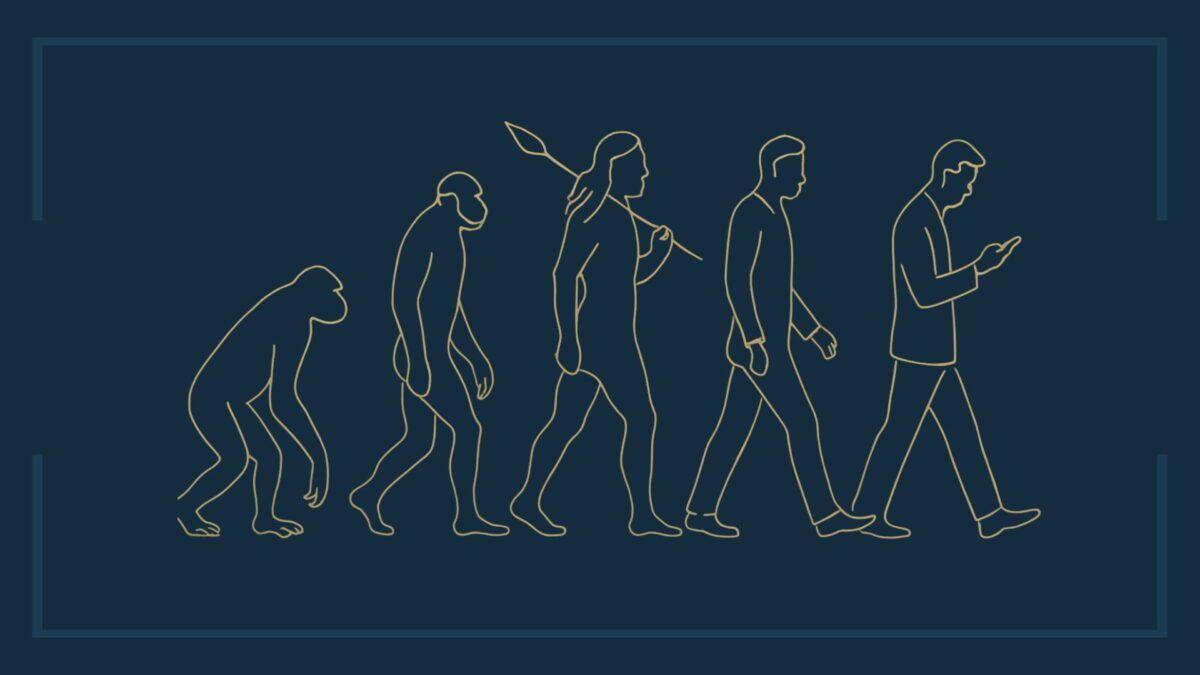
The workspace has evolved in line with the evolution of work and the workforce. Good understanding of the evolution of work, worker and workspace will help in defining the workspace strategy for any organisation. These three elements constitute the work environment.
Here we explain the relationship between these elements and how they influence the development of work environment.
Work
An idea that is familiar, but at best still abstract to all of us, can be better defined by understanding what it used to be in the past, what it is now and what it will be in the future. Exploring these questions will help us better understand the evolution of work.
This evolution can be defined in four industrial revolutions and the workspace revolution can be mapped to these four revolutions.
Pre-Industrial
Industrial
Cognitive
Cyber – Physical
In the preindustrial economy, work was synonymous with craftsmanship, the creation of products or the delivery of complete outcomes. The craftsman is entirely responsible for the end-to-end process of delivering a product or outcome — a carpenter, for example, would do everything from taking measurements, getting the wood, to making the final adjustments in the finished set of furniture.
The industrial revolution changed this conception of work, as industrialists realised that products could be manufactured faster and cheaper, if end-to-end processes were converted into repeatable tasks in which workers (and, later, machines) could specialise in. The notion of a “job” became that of a collection of tasks, not necessarily related to each other, rather than an integrated set of actions that delivered a complete product or outcome.
With the onset of rapid cognitive revolution, work has once again been redefined to create valuable human-machine collaborations, shifting our understanding of work from task completion to problem-solving and managing human relationships. This approach changed the way we organise tasks into jobs.
With the advancement made in technical innovations, we are moving towards a cyber-physical revolution aided by Artificial Intelligence and robotics. This approach is leading to more proactive management and providing differences in experience by finding the challenges before it evolves. This is changing the workforce of the future and the requirements for the future workforce.
The functions and the linked outcomes form the basis for defining work style
Based on the analysis of the previous three revolutions there are common trends and characteristics that are common that links work, worker, and workspace.
Worker or workforce
Demographics have changed over the last few years with a collectively older and more diverse workforce. The very social contract between employers and employees has altered dramatically as well. Organisations now have a broad continuum of options for finding workers, from hiring traditional full-time employees to availing themselves of managed services and outsourcing, independent contractors, gig workers, and crowdsourcing.
Alternative workers are growing in number; currently, 35 percent of the workforce is in supplemental, temporary, project, or contract-based work. This percentage is growing as well — for example, freelance workforce is growing faster than the total workforce, up 10 percent compared to three percent of all employees.
As the “who” and the “what” of work shifts, so does the workplace. Where once physical proximity was required for people to get work done, the advent of digital communication, collaboration platforms, and digital reality technologies, along with societal and marketplace changes, have allowed for and created the opportunity for more distributed teams.
Organisations are now able to orchestrate a range of options as they reimagine workplaces, from the more traditional collocated workplaces to those that are completely distributed and dependent on virtual interactions.
Employers should not only consider how roles are crafted when pairing humans with machines, but also the arrangement of their human workforce and what type(s) of employment are best suited to obtain the creativity, passion, and skill sets needed for the work at hand. Orchestrating this complex use of different workforce segments will require new models. It could fundamentally change our view of the employee life cycle from the traditional “attract, develop, and retain” model to one where the key questions are how organisations should access, curate, and engage workforces of all types.
Access. How to tap into capabilities and skills across the enterprise and the broader ecosystem? This includes sourcing from internal and external talent marketplaces, leveraging and mobilizing on- and off talent
Curate. How to provide employees — ecosystem talent — and teams with the broadest and most meaningful range of development? This includes work experiences that are integrated into the flow of their work, careers, and personal lives.
Engage. How to interact with and support the workforces, business teams, and partners to build compelling relationships? This includes multidirectional careers in, across, and outside of the enterprise; and for business leaders and teams, providing insights to improve productivity and impact while taking advantage of new ways of teaming and working.
According to the World Economic Forum, the division of labour between people and machines is expected to continue to shift toward machines, especially for repetitive and routine tasks. That could eliminate upward of 14 percent and disrupt 32 percent of today’s jobs, according to the Organization for Economic Cooperation and Development (OCED).
Understanding work style and work functions forms basis for designing organisational workforce.
Workspace: Rethinking Where Work Gets Done
The three core considerations for defining future workspace are:
Changing the physical workplace should not be seen simply as an opportunity to increase efficiency or to reduce real estate costs. Workplace culture is highly connected to both innovation and business results, and as teams become more distributed, organisations might need to rethink how they foster both culture and team connections.
Workspace requirements are linked with the five organisational growth stages, i.e. Creativity, Direction, Delegation, Coordination & Collaboration.
Work style evolution:
From hierarchies to a more flattened structure
From fixed working hours to flexible working hours
From hoarded information to shared information
From fear-based leadership to empowering and inspiring
From on-premises to the cloud
From email as primary form of communication to being a secondary form of communication
From climbing the corporate ladder to creating the ladder
From siloed and fragmented to connected and engaged
From working at the office to working anywhere
To maximise the organisational output, it is important to design a workspace that caters for work style, functions and workforce requirements.
Work Environment
It is a culmination of work function, work style, work force and workspace. All designed to maximise team and business output, maintain organisational health by optimising resources.
In our next blog we will talk about how work, workforce evolution helps in identifying the factors that influence workspace.
Increasing business revenue has become critical for organisations, especially after surviving the hard times currently facing numerous business owners. Whilst there is no guarantee that businesses will revert to pre-pandemic levels, businesses should look at saving costs while generating a greater return on their investments. One way to accomplish that is by understanding what a smart office investment can do to help.
Investing in a space that is centered around your team and business goals allows you to increase productivity, grow a strong brand identity and gain a robust company culture – all of which can be delivered with a serviced office workspace solution.
Here are our top three ways a serviced office investment can generate returns for your business:
1. A ‘friendly’ all-inclusive fee
After rent, one of the costliest expenses when moving into a new office is the furniture. New desks, chairs, and drawer units can soon add up, as well as the additional expenses that decorations and fittings can occur.
This combined with the extra costs such as business rates and utility bills, which will usually fluctuate based on the property value, means that your business finances could take a huge hit.
However, a serviced office almost always includes furniture and utility bills, meaning you get the best for your budget and complete peace of mind, without any unexpected hits to your cash flow.
WorkWell has studied the science behind the purpose-driven space, and it’s proven that the working environment can have a high impact on your team’s productivity.
2. Bespoke ‘team-centric’ spaces
Eliminate the risk of deciding if your office is too big or small by using a serviced office. When bound into contracts that last several years, it can be easy to misjudge and you could outgrow your space before the lease is up, which can be an expensive mistake. Nevertheless, this isn’t a concern with a serviced office as you can easily start off with the size you need, and as you need to occupy more space, this can be accommodated by the provider.
WorkWell focuses on providing a type of space with flexible setups to efficiently respond to your working environment needs, ensuring none of your team are left without resource. With a turnkey approach, WorkWell looks after your space with no hidden fees.
3. No maintenance cost
Generally, maintenance can be tiresome, whether it’s weekly office maintenance, a broken printer, or a blocked drain. Typically, you would need to find someone to do the work and pay for the costs. However, with a serviced office, you needn’t worry – it’s all part of the service!
WorkWell not only covers all day-to-day services your business requires, it does so in one convenient monthly fee, with no hidden costs! – all with the option to change your contract midterm depending on the needs and wants of your organisation.
This, combined with the unique and endless networking resource that is included with a serviced office can open avenues to new clients or additional sources of income from collaborating with others in the office, even if it doesn’t physically save you money.
Owning a business is about growing that business. WorkWell Offices allow you to get right to work, without taking the focus off your core business initiatives, all while presenting opportunities to save money and increase revenue.
For more information, to discuss your workspace requirements, or schedule a tour, contact sales@workwelloffices.com
For more tips and advice, sign up to our blog here.
Whilst workers in closed-plan offices can still fall victim to noise distractions, workers in open-plan offices can often experience these distractions on a much greater scale. With open plan offices making up 54% of UK offices and 70% of US offices, office acoustics are becoming a necessity for more and more businesses.
In the second instalment of our ‘The future of office furniture’ blog series, we take a look at some of the different office acoustic solutions that are becoming prevalent in office spaces around the world.
Acoustic pods
Acoustic office pods can be a great way to escape from the general noise and clutter of an open office. They can provide ideal spaces for both formal and informal meetings, somewhere to have a private conversation, or just a quiet space to get some work done. These pods come in various shapes and sizes, depending on their purpose – there are even acoustic pods designed specifically for people to make phone calls.
Not only can these pods be great for acoustics, but they also fit really well into the modern office, generally available in a range of bright colours. If you read our last blog, you’ll know that this can be a great way to boost the creativity and productivity of staff.
Sound masking
Sound masking has been around for years, although people still aren’t aware of what it is. It is the introduction of an unobtrusive background sound, such as the sound of air moving through the office, in order to reduce distractions. This sound is usually distributed through hidden speakers, for example, in the ceiling.
Acoustic sound panels are becoming the norm in offices – you will probably have seen some of these panels on the ceilings, floors or walls of an office at some point, without even noticing their real purpose! The sound panels are often built to look visually appealing and to blend in with the general style of the office, whilst simultaneously reducing noise.
As well as appearing directly on ceilings, floors and walls, these sound panels are now being suspended from the ceiling, and are generally designed to look artistic. We think this is a great way to make your office look more ‘21st century’.
Acoustic panels can also be used in places you probably wouldn’t have considered. How many chairs do you have in your office? Desks? Storage cabinets? All of these things can be altered to help reduce the noise in your office. Investing in furniture with acoustic sound panels is one of the best ways of reducing noise in the office, simply because there is so much different furniture and appliances that you can add these panels to.
You’ll always get a better result if you buy professional acoustic furniture or if you move into serviced offices that already contain acoustic furniture. But there’s nothing to stop you from trying to make some of the simpler surfaces, such as your desk, more soundproof. Soft materials, like fabrics, are generally what you need to break up noise, although these 10 materials would also work well. Why not even consider buying some soft rugs for your office?
Remember to subscribe to the WorkWell blog for the next instalment of our ‘The future of office furniture’ series, where we will be looking at some of the different ways offices are becoming more eco-friendly.
Want to reap the benefits of an acoustic office without the hassle of having to sort everything out yourself? Why not book a viewing at one of WorkWell’s high-quality serviced offices, fully equipped with the latest in office acoustics?
It’s well-known that some of the most successful brands in the world have amazing offices. Tech giants such as Google, Apple, Facebook, and Dropbox are well known for their impressive workspaces, as well as for the enviable productivity levels they’re said to create.
There are many reasons to aspire to have a great office. Not only can the right office seriously impress potential clients, it can also completely change the ethos of your workplace and ensure your staff are more effective, happier and more loyal.
What can we learn from the best offices in the world?
Google’s office is undoubtedly one of the most engaging workspaces in the world. It has indoor trees, slides, themed breakout areas, a stage and even a cinema.
Though most businesses may not have the office design budget to create something on the same scale, there’s still a lot to learn from how Google and similar companies have put together their workplace.
1. Choose your office wisely
The space you choose for your office will have a big impact on how successful the final environment is. For best results, look for a space with plentiful natural light that’s big enough to house your current team, plus space to grow.
If you’re looking for a new home for your business, why not come and check out some of the best offices in Leeds or Harrogate, here at WorkWell? We’d love to give you a tour of our space and talk about what you could create here.
2. Build fun breakout spaces
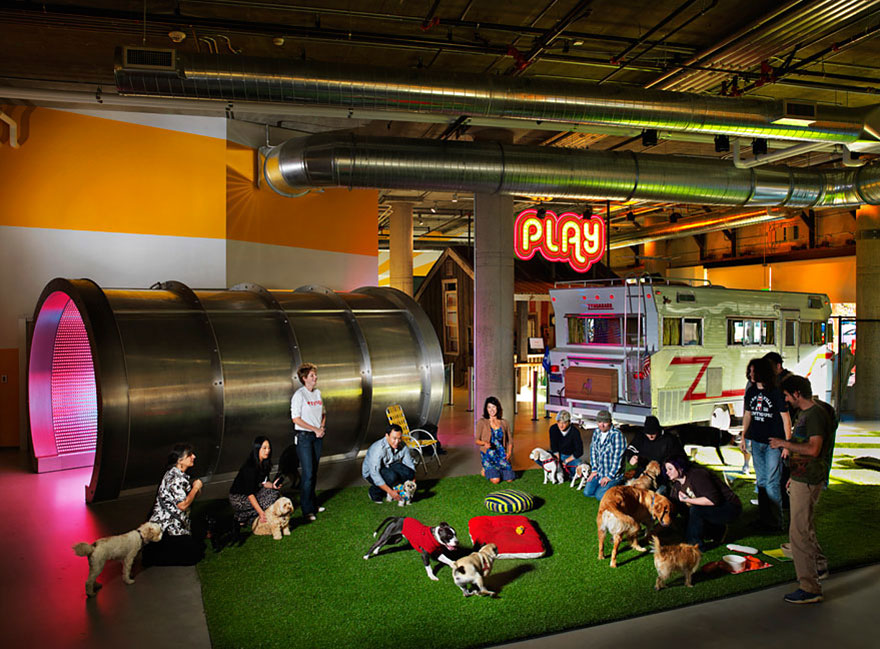
From Airbnb to Urban Outfitters, the owners of the most effective offices in the world know that breakout space is vital. They have also come to understand the importance of collaborative spaces that are fun to work in. Why not take inspiration from BBC North’s padded work pods or Zynga’s artificial indoor grass?
As well as plants within the office space, our Leeds offices, Brookfield Court and Carrwood Park are home to over 1200 trees. Surrounding our offices here – perfect for green immersion during break times!
4. Encourage employees to exercise
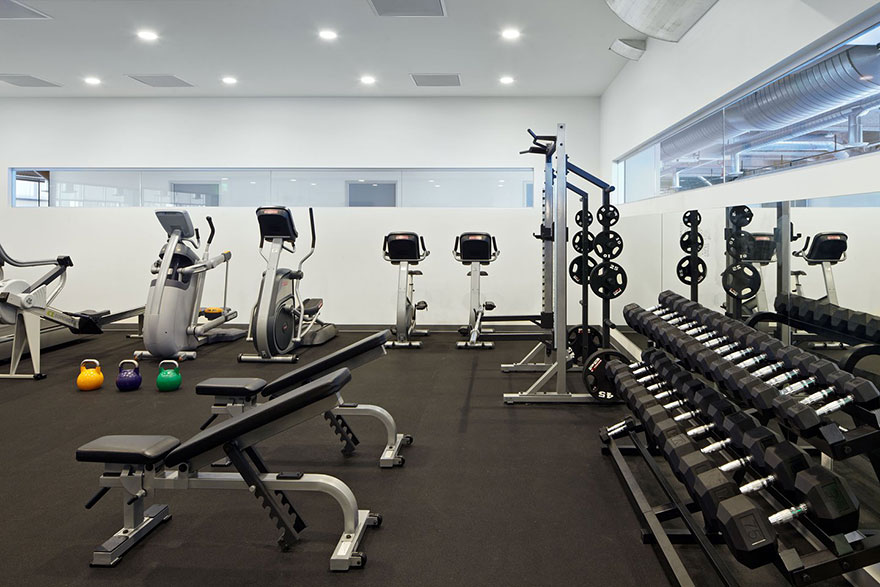
We all know that movement is good for us, but it isn’t always easy to incorporate this into our working day, especially for those of us who work sedentary jobs. Many companies have worked to counteract this by building exercise spaces into their office. This could be a gym, such as they have at Dropbox,basketball hoops like at Google or even pool tables like Nokia. Carrwood Park is set among over 100 acres of green space, which we encourage residents to walk in and enjoy during their lunch breaks.
5. Offer private spaces
Though open collaborative working has many benefits, it can also be good for employee morale to offer the option of quieter, more private spaces when they want it. Google’s honeycomb pods and Pallotta Teamwork’s pallet offices are great examples of this.
What could you learn from all this?
Creating an environment with appeal helps you to retain staff and optimise their output. It can also help you physically demonstrate the kind of culture your workplace upholds, whether that’s creating inclusive environments accessible for all, or you’re incorporating fun activity-based spaces to show your staff you care about their wellbeing.
Every element of your office environment shapes the experience had in it. Inspired to create your own iconic workspace? We’d love to work with you to make it a reality. Take a look at some of the benefits of investing in our serviced office suites here at WorkWell.
The growth of tech has been nothing short of revolutionary for the business world. Digital tools such as video conferencing, mobile technology and cloud based software have changed the way we work. No twenty first century office set up would be complete without a great deal of thought going into the tech provision.
Of course, tech equipment typically represents a big investment, especially for SMEs and startups. If you’re currently looking into office suites and workplace options, you may be struggling to prioritise which equipment you need to buy. Below, we’ve put together a suggested list of the tech equipment we think is vital for any office.
High-spec computers
Computers have long been an absolute necessity for the workplace. Whether you choose desktops or laptops, these pieces of kit will become the hub for your business. Modern-day offices rely on computers for both completing work and managing communications. Most businesses find it prudent to spend as much as their budget allows. Why not check out TechRadar’s top business PCs or top business laptops of 2017?
Wireless router
A high-speed wireless router will allow staff to access the internet from wherever they are in the office on whatever device they are using. The average UK Wi-Fi speed is now up to almost 30 Mbps, but with growing capabilities, our tenants at WorkWell have access to upwards of 100 Mbps.
Phone system
Though the majority of business communications now take place via the internet, a reliable phone system is still a very useful piece of technology. Ideally, you’ll want one that can be used externally or internally. If you want to keep things streamlined and not clutter up your employees’ desks, you may choose to use an internet-based phone service such as Skype for Business, or even just a portable office phone.
Screen/Projector
Conference rooms are much improved with the addition of a digital or projector screen. This can be beneficial for video conferencing purposes as well as for presentations. A screen can also come in handy during client meetings and pitches.
Webcams and microphones
It makes sense to invest in webcams and microphones, in order to facilitate the rising popularity in video conferencing software. These tools give you the ability to be more flexible with your meetings. For example, you may have an informal meeting in your diary that could simply be done over a video conference, which could save both time and travel expenses. Of course, for more important meetings, we believe that face-to-face meetings are still the best option.
Many computers will come with these webcam and microphone tools already built in, but it’s often worth having additional devices on hand for use within conference rooms, or as a backup in case the built-in ones let you down.
Printer/Copier and Shredder
More and more offices are choosing to go paperless and therefore are forgoing providing employees with printing facilities altogether. Depending on the needs of your office, you may wish to follow suit. If not, a printer/copier could be a useful addition to your office. Just remember: if you plan to print documents, you’ll also need to take responsibility for disposing of them. Any sensitive data will need to be properly destroyed, so if you invest in a printer/copier, you’ll probably need a shredder too.
It’s key to note that these are just some of the essential pieces of tech equipment for your office. If you want to take it a step further, then check out these 8 amazing office gadgets. Are there any other essential pieces of tech equipment that we’ve missed out on? We’d love to hear! Why not let us know on Twitter, Facebook, LinkedIn, or in the comments below?
If you want to keep things even simpler, you could choose an office provider that will handle a lot of the tech provision for you. All our office suites and meeting rooms in Leeds and Harrogate are tech-ready, and we’re always around to offer advice on how to ensure your set-up is as productive as possible.
None of us has a crystal ball when it comes to our business. Though it’s certainly possible to make predictions and set goals based on sales data and market predictions, these often come down to little more than educated guesses.
Upswings in the market can take us all by surprise, as can unexpectedly quiet periods, new working styles and developments in technology. All of these things can demand a change in the way we do business, so we need to be prepared to act fast.
In other words: it really is vital to be flexible when making plans for the future of your business.
Choosing office space is a huge commitment, which can be key to the future success of your business. At WorkWell, we believe that flexibility is one of the most important considerations you will make when choosing office space.
Checklist for choosing office space
Here are some things to consider when choosing office space for your business:
How much space do you have to grow
The cost of overheads, and the potential to increase or decrease as required
How your clients and potential clients perceive you, and having the right-sized high-quality office space for their expectations, as your business changes over time
The facilities you have available, and whether flexible service packages are on offer to meet your needs
The working hours you can offer your employees, and whether you can access a serviced office out of hours
How happy your employees are at work, and the desirability of your business office space
The best office venue providers will give you the option to develop your business with them over time. This may mean taking on more office space to allow for extra employees, or it could even mean having the freedom to downsize should you decide to reduce your team or switch to a remote-working-based model.
A truly flexible serviced office facility will also have additional services on offer such as meeting rooms, parking, conference facilities, IT infrastructure, meeting rooms, catering staff and administrative support. Having these services readily available is incredibly valuable, even if you don’t need them when you sign up.
Demand for flexible office space is increasing.
It’s not just us that thinks that flexible office space is the way forward. In fact, research shows that more and more business owners are seeking flexible options with demand up 24.3% nationwide. Businesses in Yorkshire are particularly keen to find workspaces that will work of them: demand for flexible office space in Leeds was 17.3% higher in 2014 than in previous years.
But it’s not just business growth and development that can benefit from flexible office space. Study after study has shown that employees prefer flexible provision too. One of the major reasons behind this is that the more flexible a business’s office space is, the more of that flexibility they’ll be able to pass onto their team.
When a business is run in a flexible environment it makes it much easier to offer benefits such as flexi-time, hot-desking and remote working.
Reduce workplace stress and increase productivity.
If your business is currently searching for a new base, make sure you take flexibility into account: both in terms of what your office provider can offer you as a changing business and what benefits it will allow you to pass on to your employees.
Is flexibility as important to you as it is to us? Take a look at our serviced office provision to see how we make this work in practice.
If you are looking for flexible office space in Leeds or Harrogate with all-inclusive office space, Leeds-based WorkWell is a cost-effective, high-quality serviced office space provider. Book a visit with us today to see what we can offer.
Manage Consent
To provide the best experiences, we use technologies like cookies to store and/or access device information. Consenting to these technologies will allow us to process data such as browsing behavior or unique IDs on this site. Not consenting or withdrawing consent, may adversely affect certain features and functions.
Functional
Always active
The technical storage or access is strictly necessary for the legitimate purpose of enabling the use of a specific service explicitly requested by the subscriber or user, or for the sole purpose of carrying out the transmission of a communication over an electronic communications network.
Preferences
The technical storage or access is necessary for the legitimate purpose of storing preferences that are not requested by the subscriber or user.
Statistics
The technical storage or access that is used exclusively for statistical purposes.The technical storage or access that is used exclusively for anonymous statistical purposes. Without a subpoena, voluntary compliance on the part of your Internet Service Provider, or additional records from a third party, information stored or retrieved for this purpose alone cannot usually be used to identify you.
Marketing
The technical storage or access is required to create user profiles to send advertising, or to track the user on a website or across several websites for similar marketing purposes.