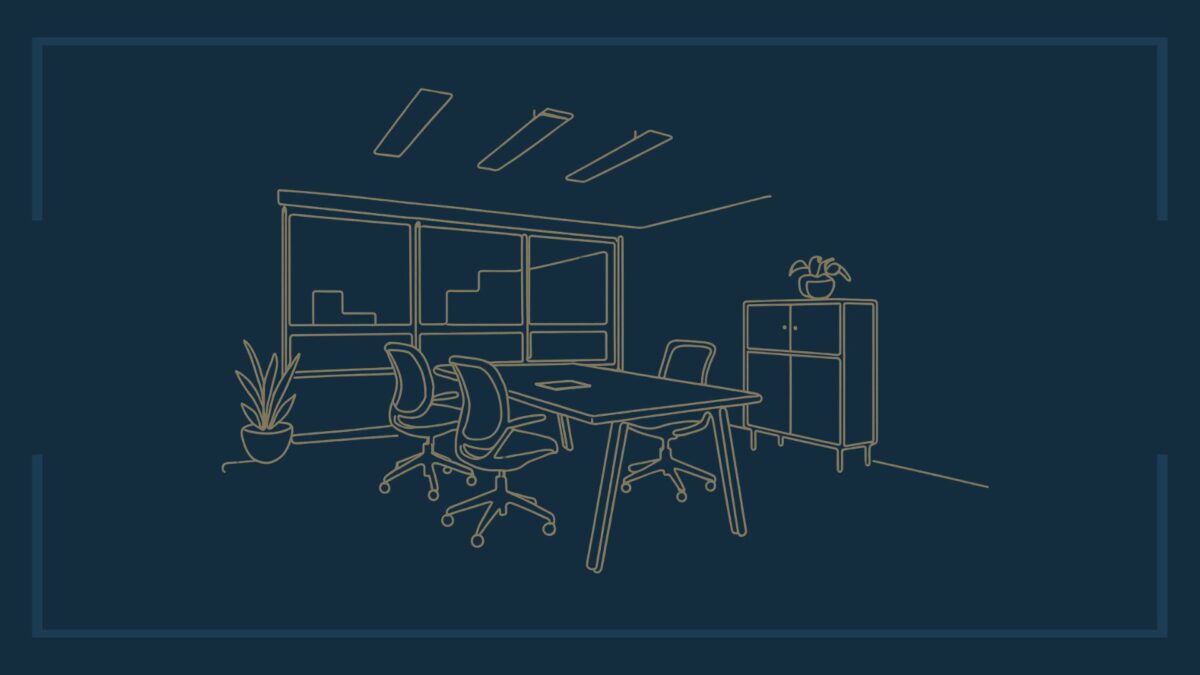
Offices must be designed to support productivity

As hybrid work and flexible arrangements reshape the workforce, office spaces must evolve to remain relevant and supportive of productivity.

The “Adapting Offices for the Future of Work” study from the University of Leeds provides valuable insights into why office design matters in today’s work environment. This blog will share its key findings and actionable strategies for companies looking to design offices that foster productivity, collaboration, and employee satisfaction.

The importance of the physical office.

While remote work has advantages, the research highlights the irreplaceable value of physical office space. Offices serve as an anchor for work, providing an environment conducive to focus, creativity, and connection. For many, being in the office offers mental separation between home and work life, which can enhance productivity.

The University of Leeds study confirmed that offices are central to employee interaction, well-being, and productivity. Employees benefit from direct engagement with colleagues, strengthening social bonds and fostering collaboration.

Time spent with coworkers positively impacts both individuals and organisations by improving morale, reducing isolation, and encouraging teamwork. This social dimension of work emphasises why physical offices must remain part of the modern workplace.

Flexible and hybrid spaces for a dynamic workforce.

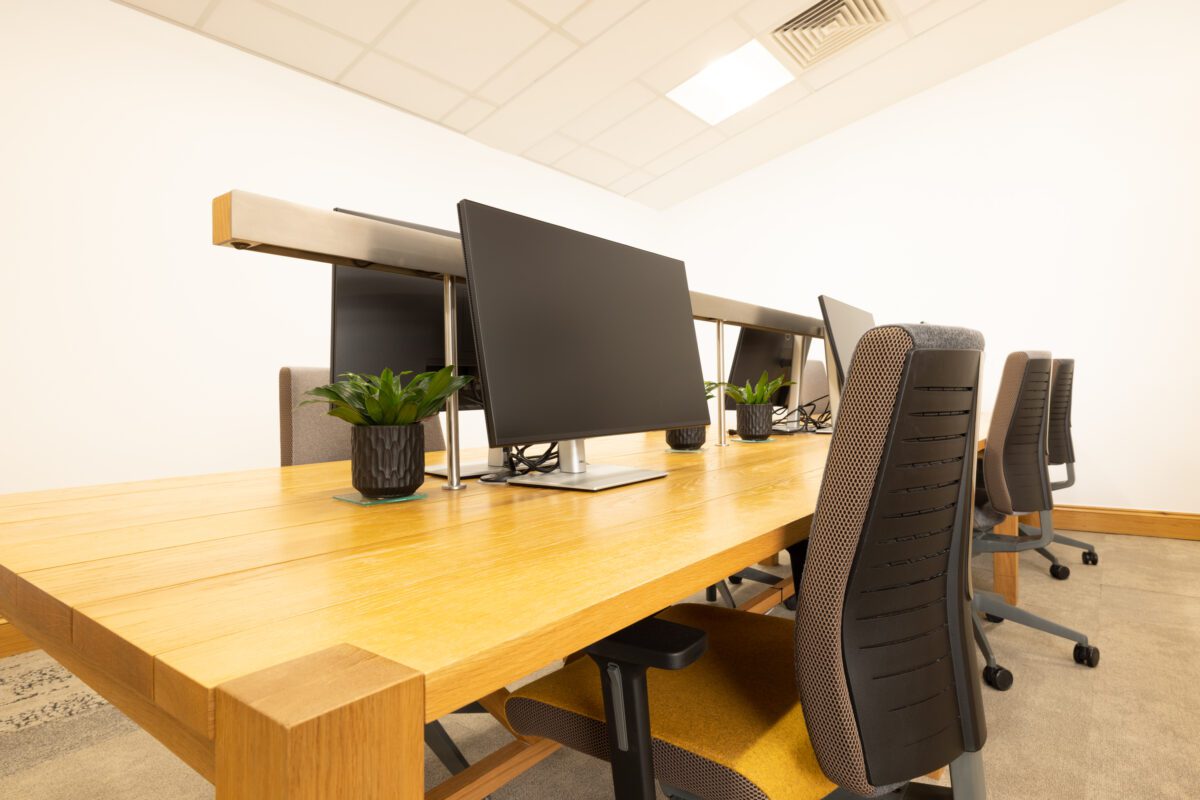
With the rise of hybrid work, one-size-fits-all office designs are no longer viable. The modern office must accommodate a range of work styles and schedules. The University of Leeds research suggests that agile, activity-based workspaces are increasingly popular for supporting diverse needs. These spaces offer different setups for focused work, collaboration, and relaxation, enabling employees to choose environments that best suit their tasks.

A flexible office space can help employees feel supported and enhance productivity. Companies are now investing in technologies like hot-desking, booking systems, and reconfigurable furniture to make workplaces adaptable. Such adjustments allow offices to cater to varying attendance patterns while ensuring employees have access to essential resources when they are on-site.

Technology for productivity.

Modern offices need to support productivity through technology. From booking systems that make it easy to reserve workspaces to digital collaboration tools that facilitate remote-in-office communication, technology is key to creating efficient work environments. The Leeds study emphasises that successful hybrid work models depend on more than physical space; they require a robust socio-technical approach.

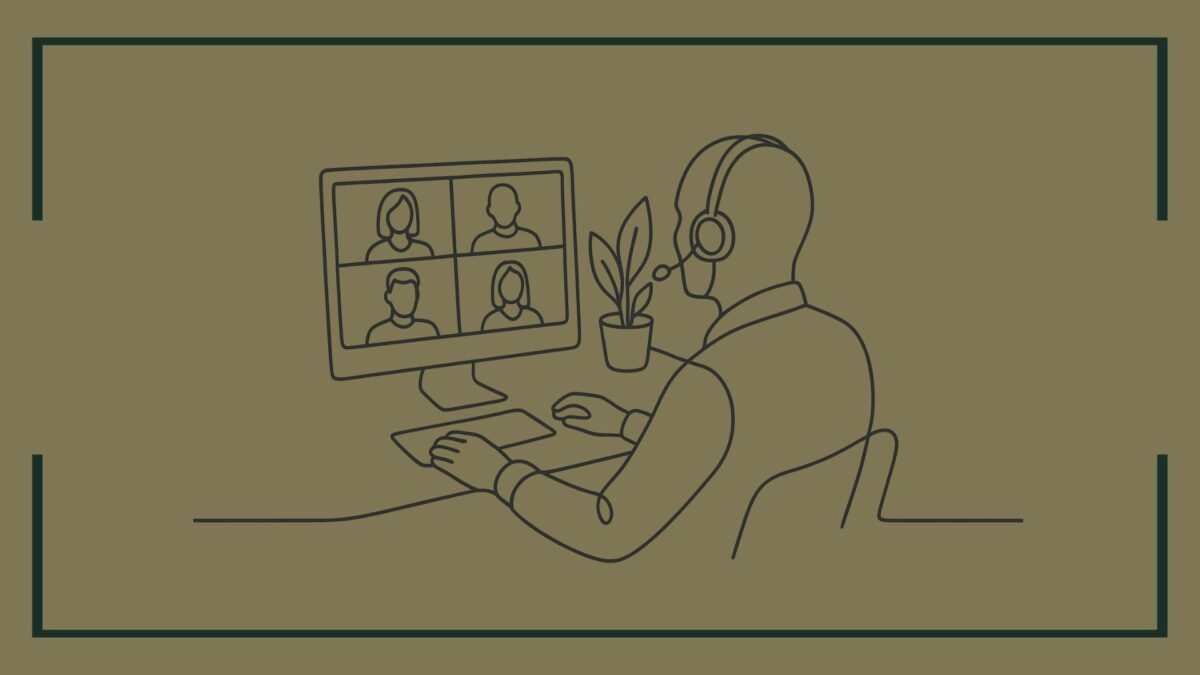
By incorporating tools like high-speed internet, interactive whiteboards, and virtual meeting rooms, offices can bridge the gap between remote and in-person teams. These technological enhancements support smoother workflows, enabling employees to collaborate without interruption. Investing in such tools helps ensure that time spent in the office is maximally productive and that remote team members remain connected.

Well-being through design.

According to the research, employee well-being has emerged as a top priority for companies, moving from fifth to third on the list of strategic issues for businesses. A well-designed office can promote well-being, which in turn drives productivity. Design elements such as natural lighting, ergonomic furniture, and open layouts contribute to a healthier work environment, reducing stress and enhancing focus.

Collaborative spaces are particularly beneficial for well-being, allowing for social interaction and teamwork. These spaces can range from lounge areas to break rooms or spaces that encourage relaxation and informal conversation. By incorporating elements that prioritise wellness, companies can foster a work environment that attracts and retains talent while supporting productivity.

Tailoring office design.

The Leeds study underscores that no single office layout will meet all companies’ or individuals’ needs. Organisations should assess their specific requirements when planning office space. Some businesses may benefit from open spaces for team brainstorming, while others may need quiet zones for focused work. Flexibility is vital, as employee preferences and business demands may change.

An adaptable office design aligns with the evolving nature of work, enabling organisations to respond to future changes effectively. By continuously evaluating and updating their workspaces, companies can ensure they remain relevant and supportive of productivity for years to come.

Conclusion

The office remains vital to the modern work experience, supporting productivity through purposeful design, technological integration, and well-being-focused elements. These values underpin the approach at WorkWell offices and help ensure that our member retention is among the best in the industry.

As companies navigate the complexities of hybrid work, investing in flexible, adaptable office spaces can yield significant benefits for employee satisfaction and organisational success. By creating offices prioritising these factors, businesses can better equip themselves for a productive and resilient future.

Focusing on what matters: How a serviced office simplifies the admin workload

Getting your business set up and in the position to go can be challenging when there is a myriad of little details to consider in setting up an operational workspace.  From setting up the utilities to buying furniture, these tasks can be resource-intensive and time-consuming.

A serviced office takes care of the details, so you don’t have to. The process of transitioning into a serviced office is made seamless, with members simply needing to establish their contract before preparing to move in.

Reducing admin work

Maintenance

Maintenance often requires a considerable time investment, encompassing routine tasks such as cleaning, paying bills, and managing repairs. These ongoing administrative responsibilities can quickly add up, demanding regular attention each week to ensure the workspace remains functional and organised.

At Work Well, we offload these responsibilities from members, providing more time to critical business activities. Furthermore, because these issues are managed and resolved in-house, the time it takes is typically much faster than in a traditional office.

This means small but necessary chores like replacing lightbulbs and hiring electricians or plumbers aren’t a concern for members. Maintenance isn’t limited to how the space is cared for; we can also manage the logistics such as sourcing supplies or stocking the coffee and tea stations with fresh products. This can cut out some of the time spent preparing the logistics of a meeting, allowing for more time to be given to prepping for the meeting’s content strategy rather than concerning themselves around the minutiae of hosting one.

Our serviced offices are thoughtfully designed and well-maintained, creating a professional environment that fosters productivity and enhances workflow.

Meetings

Meetings hosted in traditional offices often come with significant costs and logistical headaches, a serviced office removes these barriers by providing access to fully equipped meeting room spaces at a fraction of the cost of renting a private office with a dedicated meeting room. More so, having access to meeting rooms within the same working location can make coordinating meetings quick and easy for a business.

Our meeting room spaces are equipped with state-of-the-art technology, giving members access to a meeting room kitted out with the latest technologies to aid in presenting.

Members can liaise to coordinate catering, making the process of hosting meetings even simpler. With WorkWell handling the logistics like placing food orders, collecting and setting up the catering.

Packaged utilities

A serviced office has the utilities set up and ready to use, so businesses can begin operating without delays.  Instead of individually setting up and paying for each utility, whether that’s water, electricity, or wi-fi, a serviced office cuts out all of the set-up process. 

Not only does this reduce the time spent getting a business prepared to launch, but it also takes out the fuss of individual billing by merging all the costs of utilities and rent into one price making it simple to track expenses. This means that a serviced office is accessible with a turnkey solution, in contrast to traditional offices which can be subject to time delays, postponing the date a business can become operational.

Core handling

WorkWell goes beyond a physical space for your business to reside, we can provide front-of-house support with a reception team who can answer calls, greet visitors and manage any inquiries on behalf of your business.

Additionally, the front of house staff can take any mail or deliveries on behalf of a company, which is convenient and particularly useful for keeping organised.

A serviced office can simplify the burdens that a traditional office has, which can provide the necessary time and effort to grow and improve businesses. With the additional time and resources, a business can focus on the efficiency of its workforce.

Leeds serviced office provider launches new workspace solutions to address our new way of working

Leeds-based serviced office provider, WorkWell, has launched a series of new products which have all been designed to address the changes to the ways in which people are now working, following the coronavirus pandemic.

For the last 16 months, the majority of office workers across Leeds, and beyond, have been working in isolation at home. For many businesses across the region, working from home is only a temporary solution. Many are keen to get back to the office as the last year has brought to the forefront just how important team collaboration and working environment is to the performance of their teams.

WorkWell, who operate two serviced office sites, Carrwood Park and Brookfield Park, on the outskirts of Leeds, have been working closely with their customers over the last year to determine how they and their teams perform best, given that many have been working remotely for over 12 months.

One finding that has been highlighted is that working environment matters and that staff perform better at work when they have the right environment in which to do so.

For many, the pandemic has made both senior management and staff lose sight of their company values and culture and now need an environment in which to bring everyone together to help realign them.

In response to this and to support its customers workplace strategy, WorkWell has created a series of products and flexible ways to purchase which all focus on space with purpose. They have also recently launched a new website to reflect the new offering.

Even before the start of the pandemic, the serviced office provider has been ahead of the curve and focused it’s offering around more than just providing a room. They are passionate about helping advise customers on how to create an environment that gets the best out of their staff.

Oliver-Corrigan-Portrait

WorkWell owner and managing director, Oliver Corrigan said: “Even before the start of the pandemic we had very few companies come to us for a standard office set up. Many of the companies we speak to, particularly now, are much more concerned about re-engaging and retaining their staff and re-establishing a culture that may have been lost while working from home.

“What we’re talking to our customers about, as many return to the office, is creating space with a purpose. Businesses don’t take office space because they need a room, they take it for a team, and that space has to serve the team. So, where we begin is actually looking more closely at what actually happens within that space before offering a solution. For many years now, commercial office space has been designed for the investors, the people that pay the bill, rather than the people that use it. In no other industry will you find so little regard for the people who use the space, and so little thought given to how they actually want to use it.

“Flexibility is at the core of our new solutions, we’d don’t just look at the business as a whole, but the needs of the individuals within the business. Our offering is therefore unique, many other serviced office providers are unable to offer the flexible product mix that we can due to our size and location.”

By offering a variety of workspace options and ways to purchase, including space on demand, membership and partnership product options, WorkWell is providing customers with flexible solutions and access to the right space for them.

Oliver added: “Our goal is to get the asset set up right, and to do this we need to first determine why the customer needs the service, look at the company objectives and tailor the assets around that. Once we establish the primary reason they use the space, we’ll package our offering in a way that complements their working style, whether that’s a full-time membership package or space on demand.”

For more information on WorkWell’s new products visit:

https://www.workwelloffices.com/products-places/

6 Benefits of Choosing Serviced Office Space

For SMEs, the costs associated with leasing and refurbishing their own offices are often prohibitive. Serviced offices, where businesses have an executive suite within a large business unit, give business owners all the benefits of a modern and clean office environment, without all the management costs or initial outlay in furniture and fittings.

Offices that create an outstanding environment should cater to your specific needs whilst offering flexibility and operational support. This can allow you time and space to focus on running and developing your business more effectively and is highly beneficial to your business culture and team productivity.

Here are five business benefits of a serviced office that you might not have considered:

1. A carefully curated workspace – and its facilities

Your team requires more than a room, it needs an effective working environment – the benefits of a workspace specifically designed to inspire and support your team is essential for reaching your business goals and potential.

The WorkWell approach focuses on creating such an environment, providing highly productive workspaces that are deliberately designed around excelling best practices and workplace strategies. The services provided, from bookable meeting rooms to open-plan break-out spaces and a professionally manned reception desk, are intentionally created to enhance creativity, collaboration, and output.

This, combined with the convenient out-of-town location, ample accessible parking, and rural outside space, means WorkWell offices are ideally placed to offer all the advantages of a carefully curated workspace and the delivery of an exceptional level of service.

 2. Flexibility

Serviced offices offer unparalleled flexibility both in terms of the amount of space you require, the length of time you wish to stay, and overall agreement.

Customer centricity is the key driver for serviced offices, meaning your space can be flexed based on your business needs, including being expanded or reduced in size based on accessibility and the number of staff.

At WorkWell, we offer full consultancy, tailor-made workspace solutions to accommodate your evolving business, and with flexible lease periods, you can choose to adapt as and when your business needs dictate, without being restricted by lengthy contracts or square footage.

3. One all-inclusive fee

With a simple pricing structure for rental fees and with utilities included, serviced offices are incredibly cost-effective. As a business, you will only have one monthly fee, so you can continue to work in confidence without the surprise of unexpected costs:

The overall fee will usually depend on:

  • The size and quality of the space
  • The services and facilities on offer to your business
  • The city or town in which the building is located
  • If the space is in a desirable part of town (near transport centres or cultural hubs for example)

 4. Enhanced professional images

Your company’s image is hugely important. Your office branding, address, the standard of meeting rooms, and the availability of areas in which to welcome clients, all convey a professional image and help form a good overall perception of your business.

A professional workspace can help build trust and creditability and can lead to important long-term business relationships, as well as attracting talent to your company. This is proven by the success of the longstanding members who have continued to choose WorkWell Offices as their business base.

5. Community and networking

Serviced offices provide a valuable opportunity to network and work in a community of like-minded individuals. Areas, such as communal outdoor and open-plan spaces enable members from different businesses and industries to network, opening the possibility of finding shared business interests, opportunities, and collaboration.

At WorkWell, members have access to collective areas and communal spaces, as well as an active calendar of free social events organised by WorkWell and hosted within the landscaped grounds and workspace environment.

6. Move in and Start Working

Serviced offices allow businesses to simply move in and start work straight away. In contrast, setting up a new office, can be a lengthy process. From finding the right location to agreeing on the lease, through to decorating and furnishing, which all takes time. We cut all of that out, and provide a turnkey solution.

To access more information, or if you wish to discuss your workspace requirements, contact sales@workwelloffices.com

How a Serviced Office can benefit culture in a SMB

For a start up company, creating an attractive culture within the company is important for both attracting talent to work there, and then subsequently keeping that talent with you to help develop the business. And if you’re running a start up, it’s likely you’ll attract that talent by checking the boxes on a checklist offering freedom, flexibility and perks to all the members of your team. But what if the office space you have chosen to work in doesn’t give you the freedom to provide these things? If you’re lumbered with a large office space you’ve bought or rented, then you’re not going to have enough flexibility to create the right kind of start up culture you need to foster a winning team. Serviced offices offer the best solution, as they go hand in hand with a start up business, only growing as and when the company does.

So what’s on this “checklist” of start up culture? And how can serviced offices help you check the box for each element?

1) Getting the right people for the job – it’s absolutely essential you attract the most talented people for the job, and that you keep them. Serviced offices will mean that you can literally focus 100% on choosing the right business team you need. All maintenance, reception, security and other considerations are taken care of by the serviced office provider!

2) Creating a good connection between team members – organising group activities, days out and team-building exercises is made all the easier when you don’t have to worry about the day-to-day running of the office. With all the bases covered at all times, you’re free to foster a really cordial relationship between each member of your team.

3) Giving employees the opportunity to develop – with the myriad of options available in serviced offices, you needn’t have your employees there all day every day chained to their workstations. Thanks to hot desks, virtual office services and flexible meeting rooms, employees can have the freedom they so desire to get their work done.

4) Create an enjoyable and affable atmosphere in which to work – serviced offices like those at Carrwood Park and Brookfield Court provide a light, spacious, free and open space in which to work, all surrounded by stunning grounds and gardens. They are the kind of places people look forward to going to work at.

5) Attractive perks – comfy workspace, flexible times and holidays, free snacks/meals, subsidized gym membership; just some of the perks you could offer which are made easier by the huge range of amenities available in and around serviced office parks.

So whichever way you look at it, it makes sense to choose serviced offices when running a start up company. The road to success for a start up is fret with risk and difficulties, and it’s a well-known fact that only flexibility and adaptability can shepherd the company out of the darkness and into the light! Serviced offices have these qualities in spades – take the space you need for now, and expand your usage as you grow. You can’t ask for a better deal.

Are you running a start up in Carrwood Park? Leave your comments and tell us how serviced offices are helping you to build your own ideal start up culture within your company.


Virtual Phone Numbers: Should I get one?

When you’re starting a new business alone, keeping a constant eye on your business phone line can be very difficult. Similarly, when your business takes off but staff numbers are limited, busy times of day can mean calls are missed, and with them, new business opportunities. In these situations, having a virtual office set up with a virtual phone number is really a good choice for your business.

 A virtual phone number gives you a constant connection with both your existing customers and potential new ones. It’s also incredibly handy if you’re wanting to expand your business to a local area but don’t want to physically move there. A local number in the area gives you a presence there without going through the expense and difficulty of actually being there. You can set up a phone line in any city you need, while being headquartered in another.

While sounding incredibly high-tech and potentially complex, setting up a virtual office with a business phone line is actually quite simple. Once you’ve found a dedicated provider of such services, you can gain peace of mind that every important call will be answered with total professionalism, and you’ll never miss out on key business opportunities again.

There are numerous other good reasons to think about a virtual phone number for your business:

1) Answering machines and voicemail are convenient, but not 100% reliable. A power cut could erase all records of messages received.

2) Many people find them impersonal and would always prefer to talk to someone real, even if it’s not the person they wanted originally.

3) A virtual office receptionist gives you the professional image you need without the overheads of maintaining and running a reception yourself.

If the option is open for you to tailor your new virtual telephone number, then you should take that chance and put some thought into the number itself. It’s an optional extra, but you might find that putting that professional touch at the end of your business card is worth the extra cost.

Virtual Office Service: The natural choice for many

Virtual office services are not just for small startups and one-man-band businesses. Well-established companies can also benefit from simply always knowing that any and all phone calls will be answered with professionalism and efficiency. If you want to know more about virtual telephone numbers and other virtual office services, visit our website at https://www.workwelloffices.com/

Is buying your business property the correct choice?


Companies all over the world have long held the view that a sensible use of money is to invest in a property to call their very own.

The disadvantages of buying your business property

Owning a property represents an extra expense which, on closer inspection, can come off as frivolous and unnecessary, especially when you see that renting can bring annual savings reaching millions of pounds.

When you buy property, you are also buying into a potentially disastrous lack of flexibility. The more flexible you want to be, the more property you’re going to have to buy. Renting spaces for office use, meetings, conferences, or other special projects means that you can take on more space exactly when you need it and where you need it and ensures you’re not wasting money on guessing what might be. It also brings advantages to your employees, often slashing commuting times and boosting productivity.

The advantage of renting your business property

It was thought that a private building would speak volumes about a business’s strength and stability as a company. And what’s more, it was commonly accepted that buying a building was a solid long-term investment in a solid asset that could act as a safety net if more turbulent times came along.

However, the tides of change have come, and the waters are closing over this prized maxim. A new wave of property rental has swept the world, proving its worth to companies large and small. From global megalith Walmart and its mere cluster of buildings surrounding their central warehouse, to smaller companies like Yell in the UK, who have recently given up their privately owned branch offices, companies large and small are now feeling the benefits of renting office space instead.

Unless you are a property dealer, why tie up more and more of your money in properties? If property is what you’re after, then it’s better to deal exclusively in property. Renting will allow the valuable capital in your business to work for a much more favourable return. Make a smarter move and explore the myriad of rental options available that can save you a fortune.

Renting frees up funds, reduces exposure to unforeseen maintenance and repair costs (which fall to the landlord) and provides a safer, more adaptable workspace for your team.  You aren’t locked into the location; renting makes relocation simpler. Letters aren’t locked into a sales process; you can simply exit the tenancy and move on.

5 signs you’re ready to leave the home office

A home office — no more getting up at 6 am, no more commuting, no more traffic jams, no more office politics.

It sounds ideal to most people, but after a while, things can start to change, and one realises that perhaps their having a home office is becoming less and less a good idea. Below are several signs that it’s time to move on and change to a new office environment:

You’re afraid you’re not making a good professional impression.

No matter how much you spruce up your home office, you still may feel uneasy or unprofessional inviting clients to your home to discuss work. Having a professional business address is an important step in building the confidence and success to expand and improve one’s company image.

You’re becoming less productive

In the beginning, you were so excited about being able to work in the relaxed atmosphere of your home; working from the sofa, having the stereo on, being free to take as few or as many breaks as you want. But there comes a time when things get too relaxed and you find yourself getting less and less done each day. This is the time to move on.

You’re feeling lonely

The idea of a quiet space for yourself to get work done sounded ideal initially. But as you get into it, you discover that there was a social aspect to an office that you now miss. Choosing a co-working serviced office space is a perfect remedy for this, as it gives you the chance to work alongside like-minded small business owners. Hey it might even allow you to do some networking.

You can’t achieve a good work-life balance

One advantage of working in an office is that when you finish work, you leave the office behind and get some real downtime at home. When your home is your office, you can never get a real clean break from it, and sooner or later it will start to take over your life, and you’ll find it harder and harder to relax at home.

You’re ready to hire

Business is booming and you need to take on staff to help out. You could allow them to work from their own homes, but in fact working in an office with them allows you to train them more efficiently and build up a closer working relationship. An office space with more people in also becomes a stronger ideas zone.

Are you currently working from home? Perhaps you’re already experiencing some or all of the above. Let us know your experiences and perhaps WorkWell can offer the solution you need.

Which Serviced Office layout best suits your business in Leeds?

 Long gone are the days when one serviced office looked almost identical to the next, with clusters of workstations nestled together defining one team from another and doing little to nurture cross-department collaboration.

Today flexibility is at the core of modern working ethics, and none more so than when it comes to office layout. Design experts generally believe a mix of spaces is preferable as diverse office layouts and design will “suit various individuals and teams who are working on different tasks.”

While a diversely laid out office might be ideal to, as Google says, “create many different places so people can be as productive as possible,” not all businesses have the resources and funds to create such an eclectic mix of office space.

Besides, there are certain types of office layouts that are more suitable and productivity-enhancing for specific types of business.

Take a look at the Carrwood Park guide on how different business types require different serviced office layouts. You can then use our guide to help you decide which office layout is best for your business.

So, what different types of office layouts are there?

The main types of office layouts are:

  • The Open-Plan office
  • A mixture of open and closed spaces
  • Cubicle Farms
  • The Row Layout Design
  • The Cellular (traditional) office

The Open-Plan Office

As we stated in our previous office layout blog, open-plan offices are gathering momentum, and are currently the preferred method of 70% of offices in the United States.

Open-plan offices involve everyone working in one big room that is void of dividers and everyone mixes and works under the same roof. Meeting rooms and conference rooms are often located on the outer walls in this type of office environment.

As the BBC writes, this “new type” of open-plan office “encouraged disclosure, discussion and debate” and can even help businesses reduce overheads.

“Managers were mixed in with the masses, cutting down on the expense of managerial offices and allowing organisations to manage their workforce more flexibly.”

1

So what type of businesses is an open-plan office design suitable for?

As this type of office design is a creative environment, open-plan offices are great for creative businesses, such as design companies or digital agencies, which often require the use of an open-plan layout to nurture communication among employees.

A mixture of open and closed spaces

Citing the downsides of an open-plan office layout, namely being noisy and germ-rendering environments, Inc.com believes a better solution would be an office that provides and mixture of open and closed spaces.

This type of office has places where people can work alone but can be seen and accessible to colleagues and a place where different teams can potentially work together.

“By mixing open and closed spaces, offices can glean the benefits of open designs – a symbolic sense of mission, a laid-back feeling of innovative enterprise – without the noisy and potentially unhealthy drawbacks,” writes Inc.com.

2

Cubicle Farms

Cubicle farm-style offices are comprised of partitioned rows of spaces which are separated by dividers that only reach halfway up to the ceiling. The partitioned spaces are usually separated by aisles, designed for communication and negotiation amongst staff. It is important to remember that traffic flow needs to be considered in this type of office layout which is designed for a large number of workers. Aisles, particularly central aisles, need to be wide enough to accommodate traffic flow and employees passing one another.

These cubicles are typically equipped with a computer and phone line. Sometimes there is just one worker per cubicle, but often two or three employees share a cubicle.

Cubicle Farms are most suitable for firms with high volumes of middle management, such as call centres, in which managers can mix and be of assistance to staff with ease.

4

The Row Layout Design

By the same token, a row layout office is also effective for call centres and businesses where employees spend their day on computers and phones. The Row Layout design is a traditional type of office space which comprises cubicles lined up in rows.

As the Small Business Chronicle points out, the row layout can be appealing to many businesses due to the ease of assembly and the fact it doesn’t require extensive planning. As with the cubicle farm layout, the rows are often segregated by high dividers to give workers privacy.

3

The Cellular (traditional) office

In its paper about different office layouts, the James Hilton Academy describes the Cellular layout as being offices that are made up of smaller individual rooms in which a small number of employees work.

In this type of office, individuals or small teams can be isolated by closing a door.

5

What type of business would benefit from a cellular layout?

Any business which requires staff to work routinely in a private setting is likely to be most suited to a cellular setup. For example, a law firm which requires individual rooms for lawyer and client confidentiality would require a cellular layout.

Businesses that rely on teamwork between colleagues and creative, spontaneous collaboration such as creative agencies would not be suited to this traditional type of office layout.

The choice of your office design should not be taken lightly. Get it right and an office can be a vital tool in sparking creativity and nurturing productivity. Get it wrong and your employees and ultimately your clients are likely to suffer.

Enjoy this blog? Why not read our other post ‘Setting up your office for maximum productivity’

For flexible, stylish and professional serviced offices in Leeds and Harrogate, get in touch with WorkWell.